
Cost Expectations
What a Wine Cabinet Repair Costs, and Why It Is Not a Refrigerator Repair
Published market figures put most wine cooler repairs between $180 and $620, with thermoelectric modules and seals at the low end and compressor or sealed-system work at the top. Those figures are for freestanding units. A built-in wine cabinet costs more to work on because the access is harder and the parts are model-specific, and the real cost of a failure is often the wine rather than the repair.
The full guide
The number that matters is not on the invoice
Start with the thing that makes wine storage different from every other appliance in the kitchen.
If your refrigerator runs two degrees warm for a month, you will probably never know. If your wine cabinet does, you may not know either — until you open something you have been keeping for a decade and find it has aged five years in one.
That changes the economics of a repair completely. With a refrigerator, the cost of waiting is measured in the risk of a bigger repair later. With a wine cabinet, the cost of waiting is measured in what is inside it, and that figure is frequently larger than every repair on this page put together.
So the honest answer to "what does a wine cooler repair cost" starts with: less than the delay usually does.
What the market figures actually say
Published repair costs for wine coolers cluster in a fairly narrow band. Across the sources we looked at, most repairs land between $180 and $620, with a diagnostic visit typically $60 to $100, generally credited against the work if you go ahead.
Broken down by the job:
| Job | Published range | Notes |
|---|---|---|
| Diagnosis | $60–$100 | Usually credited toward the repair |
| Thermoelectric module | $150–$300 | Small units only; no refrigerant involved |
| Fan or thermostat | $150–$300 | Among the most common and least expensive |
| Door seal | Low end of the band | Cheap part, real consequences if ignored |
| Compressor | $300–$700 | On a freestanding unit |
| Sealed system | Well above the band | Refrigerant work, on any unit |
Every figure above is for a freestanding unit. That is what the published sources measure, and it is not what most of the cabinets we work on are. A built-in wine cabinet sits in joinery, is reached differently, and takes parts made for that model rather than generic ones. Expect the top of these ranges and above, and expect the figure to come after a diagnosis rather than before one. We do not quote a repair we have not looked at.
Why the same symptom has two very different prices
"My wine cabinet is not cooling" is one sentence and at least six different repairs, and the spread between the cheapest and the most expensive is close to tenfold. That is the reason nobody responsible will price it over the phone.
Working up from the cheap end:
A dirty condenser. Same story as a refrigerator, more consequential here because wine cabinets are frequently built into island units and bar runs with less air behind them than the design assumed. This is maintenance, not repair.
A fan. Either the one moving air across the coil or the one circulating air inside the cabinet. Inexpensive, and a common cause of a cabinet that has warm and cool spots rather than one temperature.
A thermostat or sensor. The unit is cooling perfectly well to a target that is wrong. Cheap to fix, and easy to misdiagnose as something serious because the symptom looks identical.
A door seal. Cheap part. On a glass door in a humid room, a failed seal shows up as condensation between the panes or on the interior, and as a compressor that never stops.
A thermoelectric module, on the smaller units that use them. A defined part, a defined price.
The sealed system. Refrigerant, compressor, evaporator. This is the top of the range and then some, and on a built-in cabinet it is where the repair-or-replace conversation genuinely begins.
The dual-zone complication
Most serious wine cabinets hold two temperatures — a warmer zone for reds, a cooler one for whites and sparkling. That is a real convenience and it is also a second set of things that can fail.
A dual-zone cabinet has, at minimum, two sensors, and usually a damper or a second fan that decides how much cold air each zone receives. When one zone drifts and the other is fine, the problem is almost never the cooling system — it is the control that divides the cold between them.
That is useful to know before you call, because "one zone is warm and the other is correct" is a much cheaper sentence than "the cabinet is not cooling", and they get confused constantly.
A cabinet where both zones are wrong in the same direction is a cooling problem. A cabinet where one zone is wrong and the other is right is a distribution or control problem. Those two sentences point at opposite ends of the price range, and you can tell which you have by reading two numbers off the front of the unit.
Thermoelectric units in a hot climate
This deserves its own section here, because it is a South Florida issue specifically.
A thermoelectric wine cooler does not have a compressor. It moves heat with a solid-state module, and the amount of heat it can move is limited — practically, it can hold the cabinet a fixed number of degrees below the room, and no further.
In a temperate climate that is fine. In a kitchen that sits in the low eighties through the summer, a 55°F target may simply be unreachable, and the unit will run continuously trying. Owners read that as a broken cooler. Often it is a working cooler in the wrong room.
This is the diagnosis we deliver most often on smaller wine units in Miami-Dade, and it is not a repair. If a thermoelectric cabinet is holding the wine ten or twelve degrees below ambient and the ambient is eighty-two, the machine is doing exactly what it was designed to do. The options are to cool the room, move the cabinet away from ovens and sunlight, or replace it with a compressor unit. None of those is a repair bill, and it is better to hear that than to pay for parts that will not change the outcome.
The cheap repairs people put off longest
Two jobs sit at the bottom of the price range and get delayed the most, and both are worse than they look.
A failing door seal. On a glass-doored cabinet in this climate, a seal that is no longer gripping lets warm humid air in continuously. The unit runs without stopping, the glass fogs, condensation collects, and in time you have a mold conversation as well as a temperature one. The gasket is one of the least expensive parts on the machine.
Vibration. A cabinet that has developed a buzz or a rattle is transmitting that vibration into the racks, and vibration is one of the things wine storage exists to prevent. It is usually a fan mount or a leveling foot — trivial to fix, and quietly working against the entire point of the appliance while it is left.
When the answer is replacement
For a built-in cabinet, rarely. It is fitted into cabinetry, matched to a panel and an opening, and replacing it is a joinery project as much as an appliance purchase. Repairs that would be uneconomic on a freestanding unit still make sense here.
For a small freestanding unit, the arithmetic is ordinary. A repair approaching half the replacement price on a modest appliance is usually not worth it, and a thermoelectric unit that is losing the fight against a hot room will not be fixed by any repair.
The one case that overrides all of this: if the cabinet holds a collection with real value, the question is not whether the repair is worth it against the appliance. It is whether it is worth it against the wine — and that answer is almost always yes, quickly.
What to do before you call
- Read both zone temperatures off the front and write them down
- Note whether the unit is running constantly, cycling, or silent
- Check whether the door seal grips a sheet of paper all the way around
- Look at where the cabinet breathes — is it boxed into joinery with no clearance?
- Note the room temperature, especially on a small unit in summer
Those five answers separate the repairs at the bottom of the range from the ones at the top before anybody has opened anything, and on a thermoelectric unit in August they occasionally establish that there is nothing to repair at all.
If it turns out to be a repair
What this leads to, and what it costs
Every job on this site is priced the same way: an on-site diagnostic first, the figure agreed in writing before anybody starts.
-
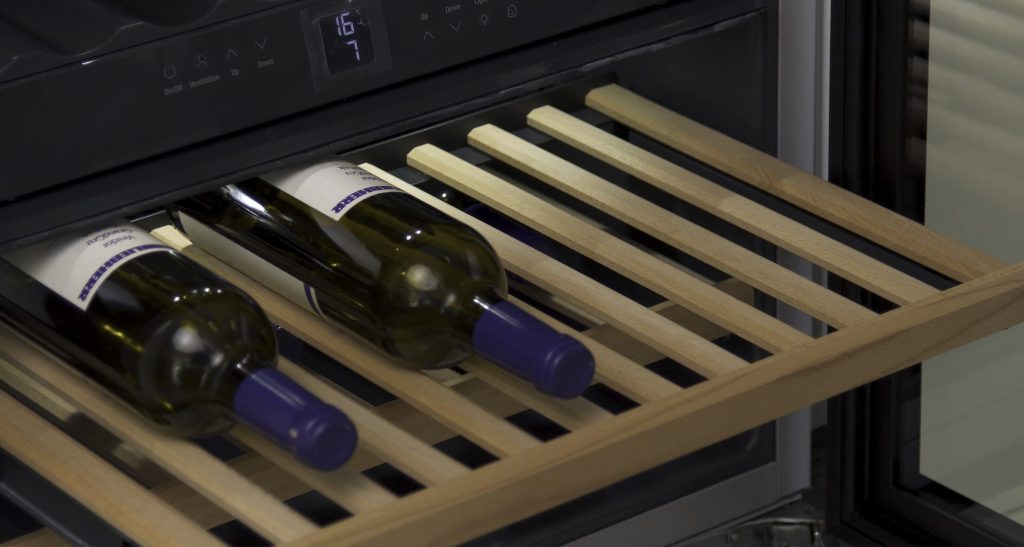
Drift, not failure Wine cabinet not holding temperature
A zone reading two or three degrees off, humidity that has changed, or a cabinet that holds by night and drifts by day. Wine storage fails quietly, which is what makes it expensive.
- One zone off, the other fine
- Humidity changed before temperature did
- Corks and labels showing it first
-
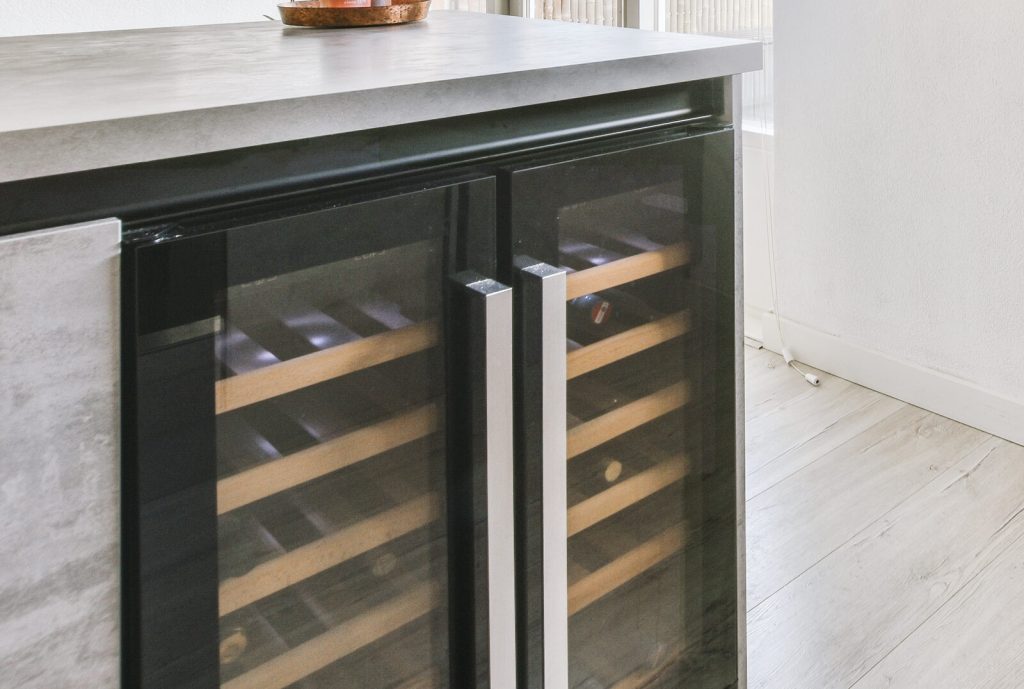
Single & multi-zone Wine storage
A wine cabinet tends to fail quietly. It drifts a couple of degrees and says nothing, and in a market full of second homes that often goes unnoticed until the collection has paid for it. If a zone is reading off, it is worth looking at early.
- A zone drifting off its set temperature
- Humidity control and vibration
- Door seals, glass heaters and lighting
-
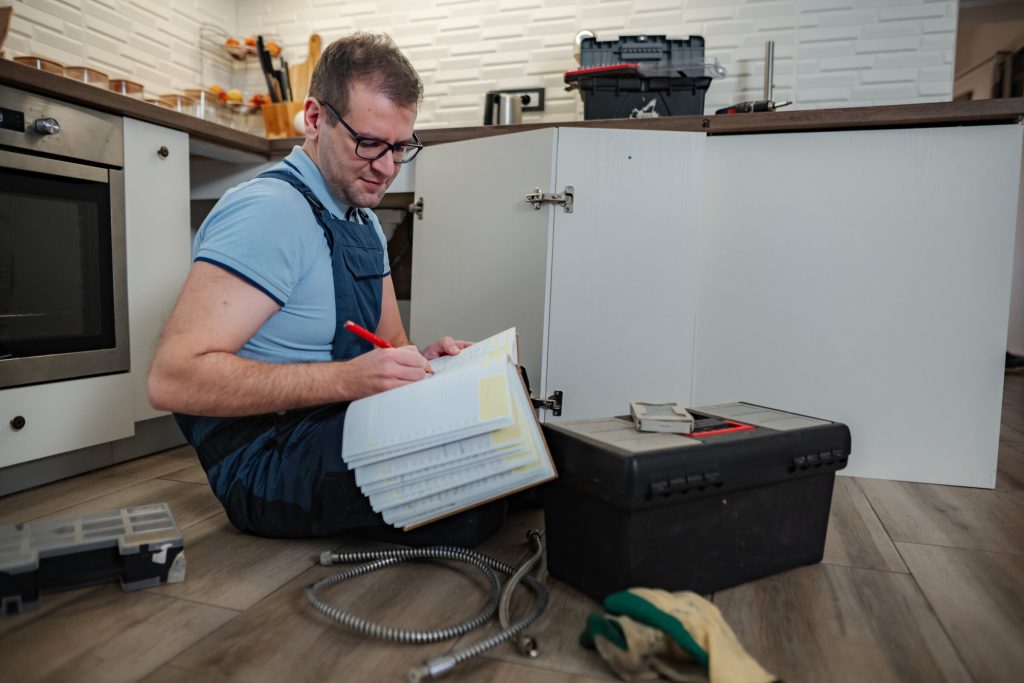
from $95 Diagnostic visit
We read the active and stored codes on site, then test the sealed system and the airflow before saying anything about the repair. The fee is credited toward the work when you go ahead.
- Active and stored codes read on site
- Sealed system and airflow tested
- Credited toward the repair
Questions people ask about this
How much does it cost to repair a wine cooler?
Published market figures for freestanding units run roughly $180 to $620 depending on the job, with a diagnostic visit typically $60 to $100 and often credited against the work. Built-in wine cabinets sit above those figures: the access is slower, the parts are specific to the model, and there is usually cabinetry involved. We give a range at diagnosis and never before, because the same symptom has causes an order of magnitude apart in price.
Is it worth repairing a wine cooler?
For a built-in cabinet, almost always. It is fitted into joinery, replacing it means matching a size and a panel, and the unit itself is a significant purchase. For a small freestanding thermoelectric unit, the arithmetic is different — a repair approaching half the price of the appliance rarely makes sense on equipment that is inexpensive to replace.
What is the difference between a thermoelectric and a compressor wine cooler?
A thermoelectric unit moves heat with a solid-state module and a fan, with no refrigerant and no compressor. It is quiet and free of vibration, which is good for wine, but it can only pull the temperature a limited amount below the room — which is a real constraint in this climate. A compressor unit works like a refrigerator, holds temperature regardless of the room, and is what almost every built-in cabinet uses.
Why is my wine cooler not holding temperature in the summer?
If it is thermoelectric, it may not be able to. Those units cool by a fixed amount relative to the room, so a kitchen that sits at 82°F puts a 55°F target out of reach no matter how well the unit is working. If it is a compressor unit, a room that hot simply means more runtime — and a dirty condenser will tip it from working hard to not keeping up at all.
How long does a wine cooler last?
A built-in compressor cabinet is long-lived equipment and should run for many years with the condenser kept clean and the door seal intact. Small thermoelectric units have a shorter working life, and in a hot room they spend that life running continuously, which shortens it further. If a modest freestanding unit is failing after a few years in a warm kitchen, the room is usually as much the cause as the appliance.
Cost Expectations
More guides like this one
-

Why a Sub-Zero Repair Costs More Than the Same Repair on a Mainstream Unit
Our cost pages give the figure for each job. This is the question that comes before them: why that figure is higher than the number a general appliance site quotes. There are four reasons, and none of them is the badge on the door.
Read more -
Is It Worth Repairing a Sub-Zero Refrigerator? How the Math Actually Works
The 50% rule that works for a $900 refrigerator falls apart on a built-in. Here is the arithmetic that actually applies, and the three questions that decide it before any number does.
Read more -
What an Ice Maker Repair Costs — and When the Assembly Is the Cheap Answer
An ice maker is a self-contained machine bolted inside a refrigerator, and that one fact changes the whole arithmetic. It means a dead ice maker says nothing about the refrigeration — and that replacing the whole unit is often cheaper than chasing the part inside it.
Read more
Tell us the model number and what it is doing.
This article is based on:
- Official manufacturer documentation
- Internal repair procedures
- Technician repair history
- Company quality standards