Appliance
Sub-Zero freezers
Column freezers and freezer sections that frost over, run warm, or never quite hold their set point.
- 2 symptoms we are called out to
- From $95 diagnostic, credited to the repair
- 59 cities and neighborhoods covered
- OEM parts available on order
The short version
What this equipment is, for a repair
Configurations
Column & over-and-under
Access
Planned before the visit, not discovered on arrival
Parts
OEM, available on order
Diagnostic
From $95, credited to the repair
What goes wrong with it
Symptoms we are called out to on Sub-Zero freezers
Each one covers the likely causes in the order they are worth checking, and what to do in five minutes before booking anything.
-
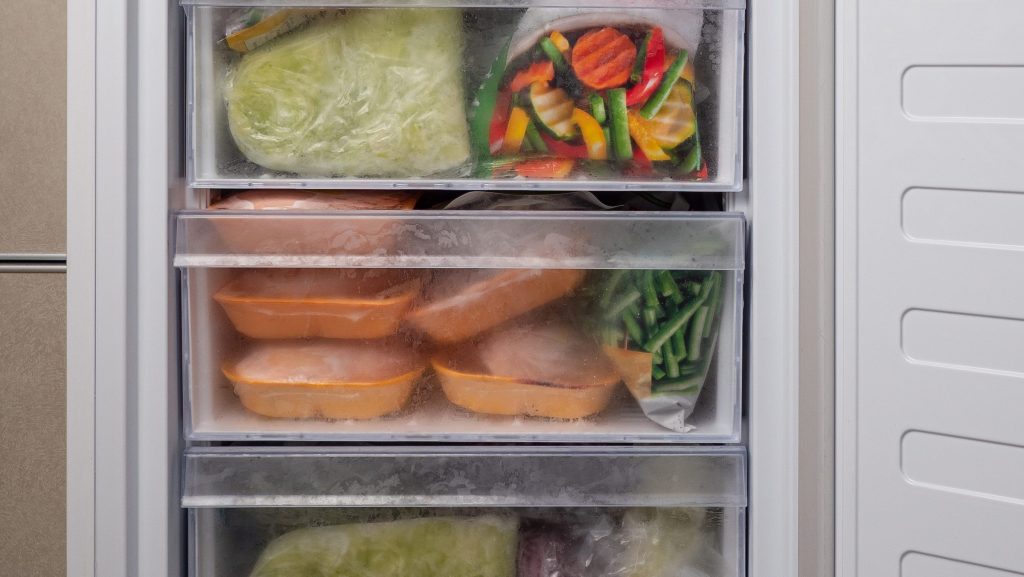
Frost, or not cold enough Freezer not freezing
A freezer running warm, frosting heavily, or holding a temperature that looks right on the display and is not right in the drawer.
- Ice cream soft, everything else fine
- Heavy frost on one shelf
- Display reads correctly, contents say otherwise
-

Filter, line or drain Ice or water tastes off
Ice that smells of the freezer, water that tastes flat or metallic, or both arriving together after a filter change.
- Started after a filter change
- Ice smells of whatever is in the freezer
- Water tastes flat rather than wrong
What we do on it
Repairs we carry out on Sub-Zero freezers
Starting figures for this equipment in South Florida. The exact cost is confirmed after an on-site diagnostic — and this is not the whole list of what can go wrong, so call if your problem is not here.
-
from $95 Diagnostic visit
We read the active and stored codes on site, then test the sealed system and the airflow before saying anything about the repair. The fee is credited toward the work when you go ahead.
- Active and stored codes read on site
- Sealed system and airflow tested
- Credited toward the repair
-

from $1,200 Sealed system repair
Refrigerant circuit work, where the diagnosis matters more than the part. A cabinet that cools unevenly, frosts in one zone or runs warm on one side often points here rather than at the control board.
- Leak detection and refrigerant recovery
- Filter drier and line repairs
- Verified back to set point before we leave
-
from $1,400 Compressor replacement
Major work, and worth a straight conversation first. On a well-kept built-in unit it is usually the right call; when it is not, we will tell you that instead of selling you the job.
- OEM compressor available on order
- Dual-refrigeration units, one side at a time
- Honest replace-or-repair advice
-

from $650 Evaporator replacement
Usually follows a sealed system diagnosis. Heavy frost on one shelf, a zone that will not hold, or a defrost cycle that never quite finishes are the symptoms that lead here.
- Frost build-up on a single zone
- Defrost heater and thermistor checked with it
- Access planned before we arrive
-

from $450 Control board repair
Boards vary sharply by series, and parts for legacy units can take a few days to source. We confirm the board is the problem before ordering one — a code on the display is not proof by itself.
- Board confirmed before it is ordered
- Legacy 600 and 700 Series supported
- Display and touch panel problems
-
from $280 Condenser fan and coil service
The most common job we see in South Florida. Year-round heat and coastal salt air clog and corrode condensers years ahead of schedule, and a struggling condenser shortens the life of everything behind it.
- Condenser cleaning and coil work
- Fan motors running out of range
- Salt-air corrosion near the water
-
from $220 Door gasket replacement
The least expensive fix for a cabinet that will not hold its temperature. Worth checking before anyone opens the sealed system, because a tired gasket imitates far more expensive problems.
- Doors that no longer seal
- Condensation around the frame
- OEM gaskets on order
-

Priced after diagnosis Maintenance visit
In this climate condenser cleaning is seasonal rather than annual. A maintenance visit is the cheapest hour you will spend on a built-in unit, and it is how most sealed system failures get avoided.
- Condenser cleaned and airflow checked
- Door seals and drainage inspected
- Stored codes read and cleared
In more detail
About Sub-Zero freezers
Frost is a symptom, not a diagnosis
Heavy frost inside a column freezer almost never means the freezer is running too cold. It usually means warm air is getting in or the defrost cycle is not finishing: a tired door gasket, a defrost heater that has failed, a thermistor reading wrong, or a drain that has iced over. Each is a different repair at a different figure, which is why the diagnosis comes before the quote.
What we check first
- The door seal and how the door sits — the cheapest cause, and the one most often missed
- The defrost heater and thermistor, tested rather than assumed
- The evaporator and the drain line
- Stored codes, which say what the unit has been doing rather than what it is doing now
After a power cut
Storm season brings its own version of this: a freezer that came back up but never quite recovered, or one that restarted with the ice maker out of step. Worth checking the same week rather than the same season — a unit that is running but struggling is quieter about it than one that stopped.
This article is based on:
- Official manufacturer documentation
- Internal repair procedures
- Technician repair history
- Company quality standards

Before you book
Questions about Sub-Zero freezers
Heavy frost — is the freezer running too cold?
Almost never. Frost means warm air is getting in or the defrost cycle is not completing: a door seal, a defrost heater, a thermistor or a drain that has iced over.
The display reads correctly but the contents say otherwise. Who is right?
The contents. A sensor reading wrong is exactly the case where the display and the drawer disagree, and it is worth a visit rather than a guess.
It has been off since a power cut. What now?
Give it a few hours before judging temperature — a full cabinet takes time to recover — and photograph any code that arrived with the outage.
Where we do it
Across Miami-Dade, Broward, and Palm Beach
Same terms everywhere we go: an on-site diagnostic first, the price agreed in writing, and the exact figure confirmed once we have seen the unit.
Neighborhoods people ask for by name