Sub-ZeroRepair Miami

231 codes, traced to the manufacturer's own pages

Sub-Zero error codes: what is on your display.

Type the code you can see and the list below filters to it. Every code here comes from the manufacturer's own support pages — nothing on this page is invented, and where we cannot verify what a code means, we say so instead of guessing.

  • 231 codes we can trace to a source
  • 15 series and product lines covered
  • from $95 diagnostic, credited to the repair
  • Same week where the schedule allows

Book a visit

Book a diagnostic visit

Your model number and a line about what it is doing is enough to get started. We will confirm the earliest slot we can genuinely keep.

  • Diagnostic from $95, credited toward the repair when you go ahead
  • The work and the price in writing before anything is opened
  • A warranty on our workmanship
  • Miami-Dade, Broward and Palm Beach counties
  1. 01 You tell us the model and what the unit is doing. A photo of the display helps.
  2. 02 We come back with the earliest slot we can genuinely keep, not the earliest one that sounds good.
  3. 03 Diagnosis on site, then the scope and the price in writing before anything is opened.

Your details stay private. No spam, ever.

Loading the booking form…

The booking form is taking longer than it should. Call (305) 570-1472 and we will book the visit with you.

Find your code

Search the full list

Codes are written differently across generations — 24, EC-30, 45-1-01 are all real. Type what you can see; spaces and dashes do not matter.

Compiled from 419 manufacturer answer pages archived in this project. If your code is not here it is not necessarily invalid — some are shown only on the service display, and some are specific to a model year. Call (305) 570-1472 with the model number and what the display is doing.

How to read them

A code narrows the diagnosis. It does not finish it.

Older series display a condensed two-digit set, where the same number means different things depending on the generation showing it. Current series use a longer form — 45-1-01 — where the first pair identifies the subsystem and the rest locates it. EC codes are what the display shows when the board has logged a condition it wants looked at.

All three tell you where to look. None of them tell you which part has moved out of range, and none of them distinguish a failed component from a wiring problem or a condenser that has not been cleaned in six years. That is what the diagnostic visit is for — and it is why a code looked up online sometimes leads to a part that was never the problem.
What the visit involves
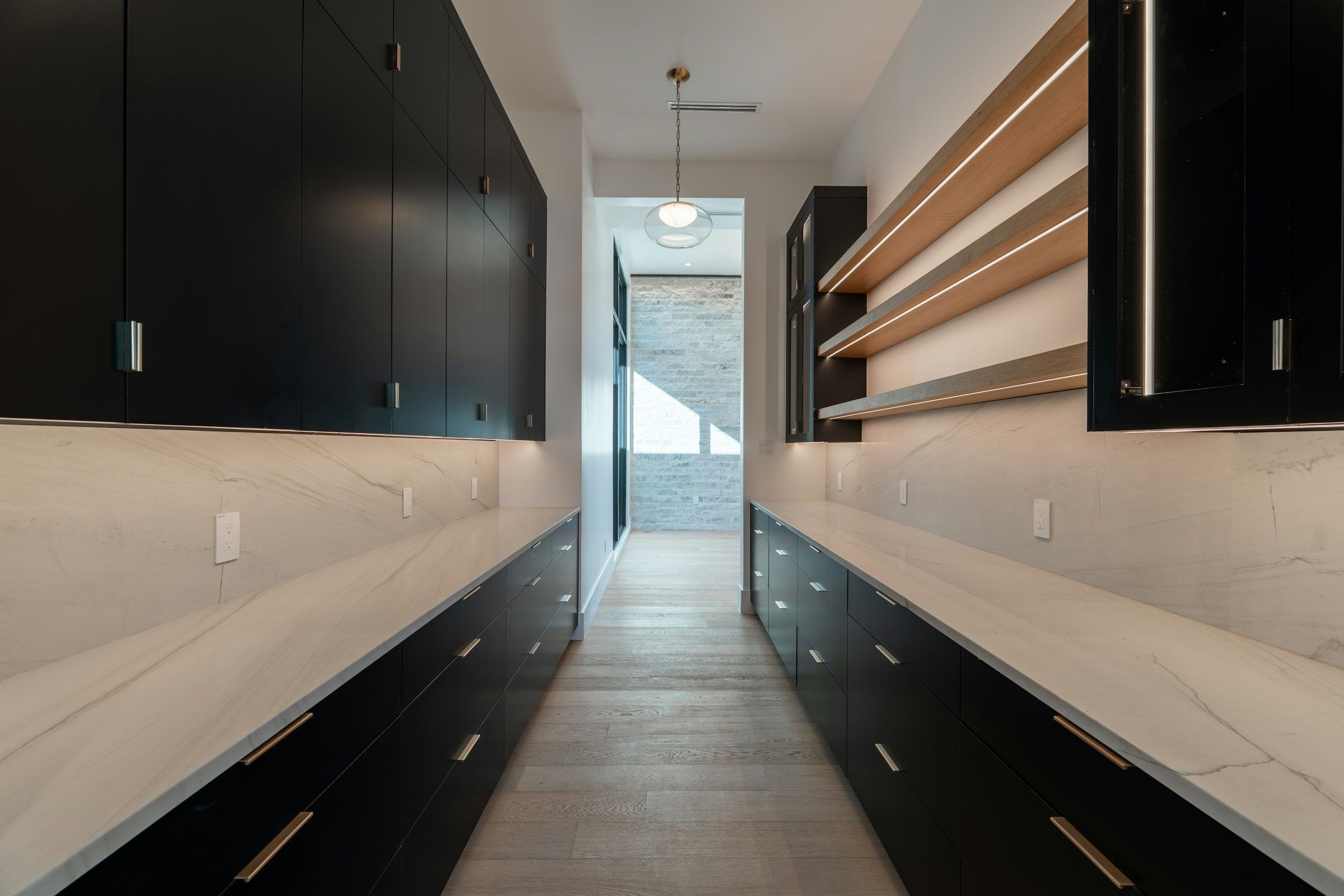
A black stone island with plants on it beside a shuttered window

Before you call

Four things worth having in front of you

Codes clear themselves, and the one thing nobody can recover afterwards is what the display actually said. These take a minute and they are usually the difference between one appointment and two.

Write it down

  • Photograph the display, code and all — codes clear themselves and the photograph is the record
  • Take the model number from the plate inside the door

Then look at the unit

  • Note what it is actually doing: temperatures, ice production, noise, and when it started
  • Check the condenser is not packed with dust — in this climate it is behind a large share of codes

No code, just a light?

A flashing service light is more common than a code.

Most people who call us have not seen a code at all — they have a service light, a wrench symbol, or a unit that beeps. That is the display asking for attention without saying what for, and on some series the code sits behind a key sequence that varies by generation.

Tell us the model number and what the display is doing, and we will tell you whether it is something to check yourself or something to book. Call (305) 570-1472, or describe it in the form above.

By what it is doing

Start from the symptom instead

If the display is not telling you anything useful, start from what the unit is doing. Each of these covers the likely causes, what to check yourself, and when it is worth a visit.

  • An empty refrigerator interior with bare glass shelves and door racks
    The most common call

    Refrigerator not cooling

    A cabinet that runs warm, cools unevenly, or holds temperature overnight and not by day. Five ordinary causes, hundreds of dollars apart — and how to tell which one you are looking at.

    What it usually means
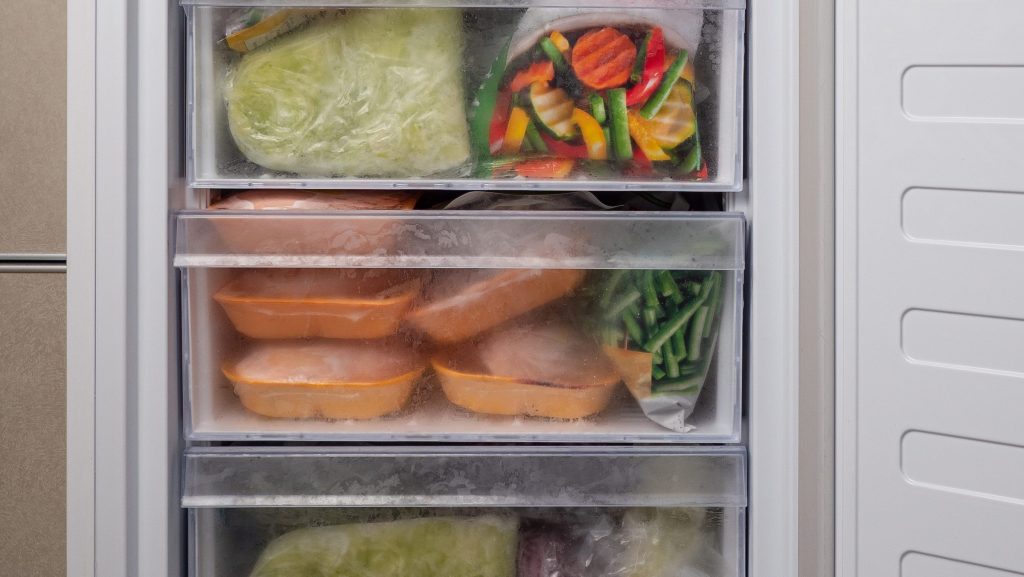
  • An open freezer drawer packed with bags of frozen vegetables
    Frost, or not cold enough

    Freezer not freezing

    A freezer running warm, frosting heavily, or holding a temperature that looks right on the display and is not right in the drawer.

    What it usually means
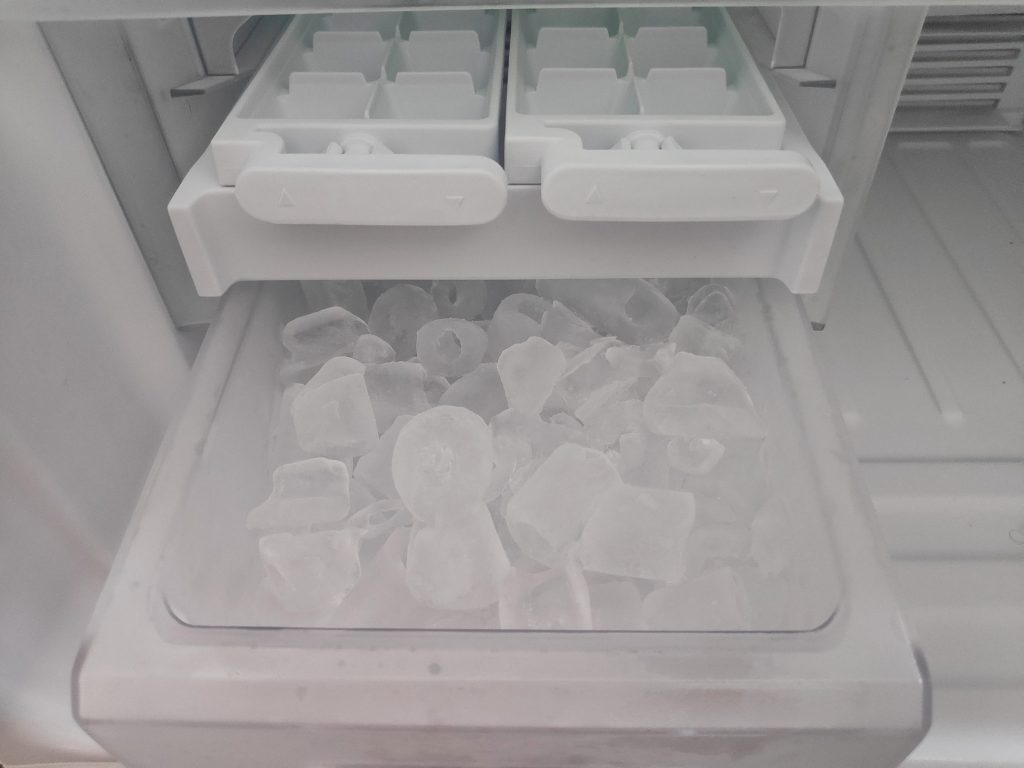
  • An ice maker inside a freezer, its twist trays above a bin filled with cubes
    No ice, slow ice, cloudy ice

    Ice maker not working

    Production that stopped, or halved over a season. Water supply, the freeze cycle and the condenser are the three places this ends up, and they are easy to tell apart.

    What it usually means
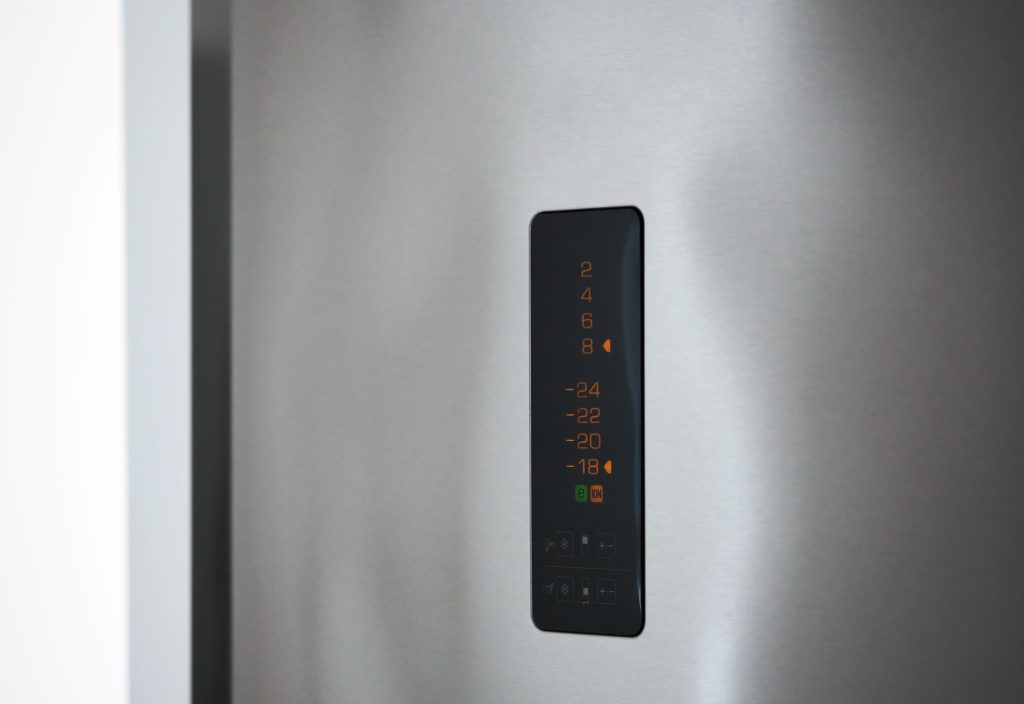
  • A slim control strip on a stainless refrigerator door, the temperature scale lit in amber
    The display asking for attention

    Service light or wrench flashing

    A service light, a wrench symbol or a unit that beeps without any obvious change in temperature. What it means, why the code behind it matters, and what to do first.

    What it usually means
  • A darkened kitchen lit only by daylight through the blinds, the refrigerator standing in shadow
    Storm season

    Not cooling after a power outage

    A unit that came back up and never quite recovered, or did not restart at all. What a surge does to this equipment, and what is worth checking before booking.

    What it usually means
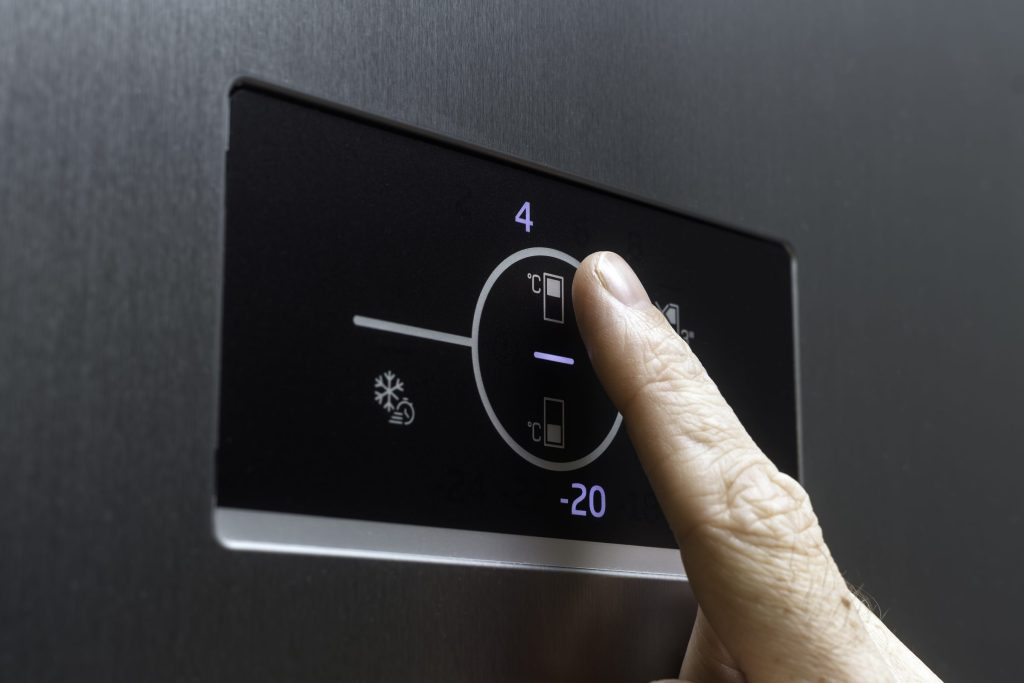
  • A finger pressing a refrigerator touch panel showing the fridge and freezer set temperatures
    Alarm, not failure

    Refrigerator beeping

    A unit beeping steadily or intermittently, with or without a light. Usually a door or a temperature alarm — and occasionally the first sign of something worth catching early.

    What it usually means
  • A clear puddle spreading across a pale wood floor, darkening the boards it has soaked into
    Inside, or on the floor

    Water leaking from the unit

    Water inside the cabinet, under a drawer, or on the floor in front. Where it comes from decides how urgent it is — and built-in units hide it longer than freestanding ones.

    What it usually means
  • A technician working on the condenser coil at the back of a refrigerator with a screwdriver
    New sounds, or louder ones

    Unusual noise

    Buzzing, rattling, clicking or a compressor that sounds like it is working harder than it used to. Some of it is normal, and some of it is the earliest warning this equipment gives.

    What it usually means
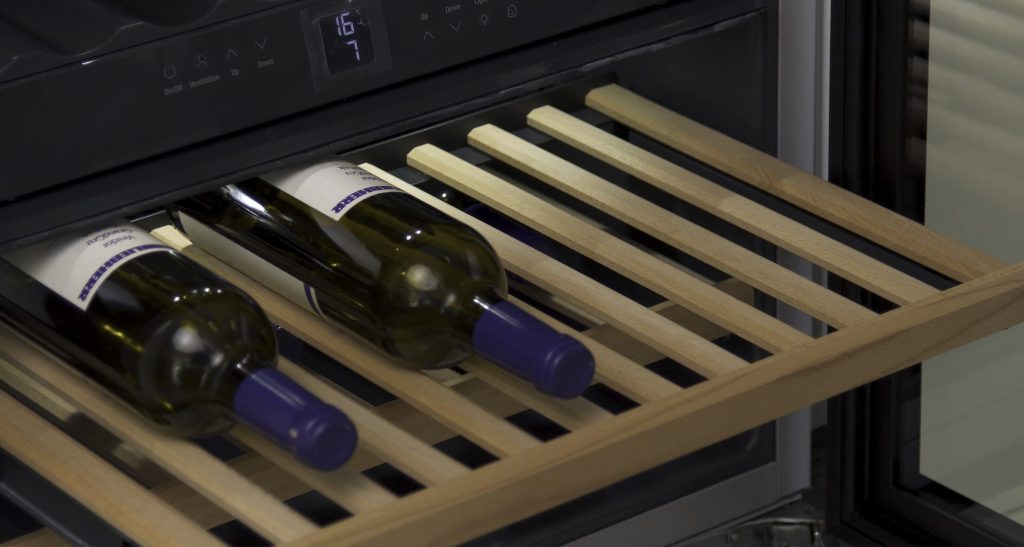
  • An open wine cabinet drawer with two bottles on wooden slats, the control panel above showing the set temperature
    Drift, not failure

    Wine cabinet not holding temperature

    A zone reading two or three degrees off, humidity that has changed, or a cabinet that holds by night and drifts by day. Wine storage fails quietly, which is what makes it expensive.

    What it usually means
  • Three tumblers of iced drinks on a marble counter, the cubes clear and rounded
    Filter, line or drain

    Ice or water tastes off

    Ice that smells of the freezer, water that tastes flat or metallic, or both arriving together after a filter change.

    What it usually means
  • A hand holding the edge of an open refrigerator door, the seal and door frame close to the camera
    Gasket, alignment or hinge

    Door not closing or sealing

    A door that does not sit square, a seal that has gone hard, condensation around the frame, or a panelled door that no longer lines up with the cabinetry.

    What it usually means
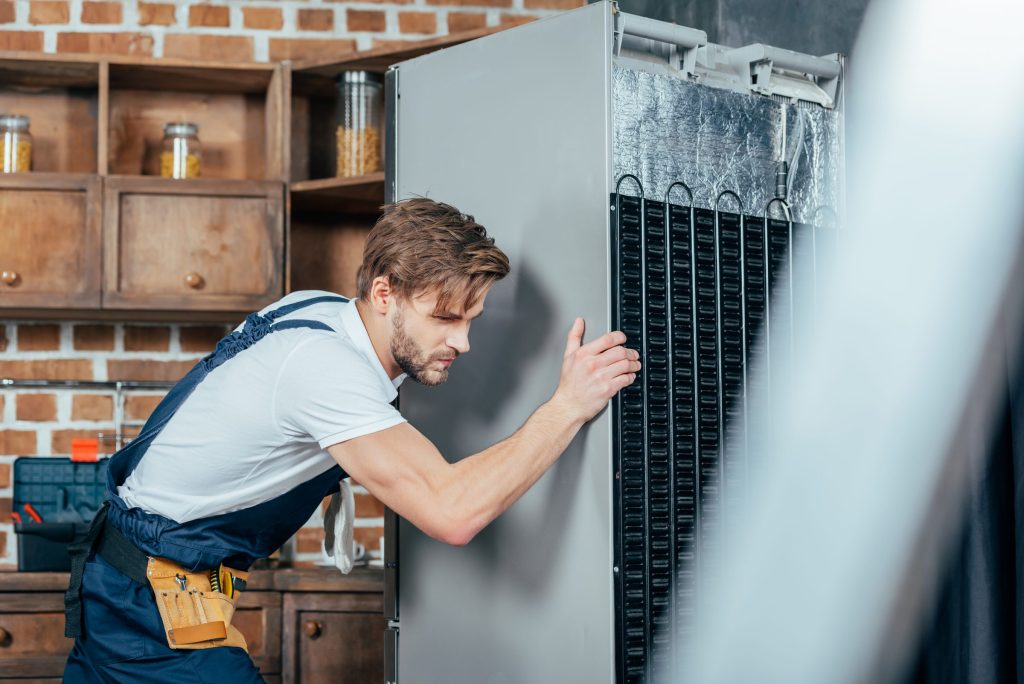
  • A technician easing a refrigerator away from the wall, its condenser coil exposed down the back
    Never cycling off

    Unit running constantly

    A compressor that runs without stopping, or cycles far more than it used to, while temperatures still look about right. Usually the earliest warning sign this equipment gives.

    What it usually means

About codes

What people ask us about error codes

Is there a Sub-Zero error code list I can download?

The manufacturer publishes its codes across its own support pages rather than as a single downloadable list. The list on this page is compiled from those pages so you can search it in one place, with the series that display each code. We do not reproduce the manufacturer's own descriptions or procedures.

The same code means something different on my model. Why?

Because the older two-digit set is condensed: the same number is reused across generations for different conditions. That is the single most common reason a code looked up online sends somebody to the wrong part. The model number decides what the code means.

How do I clear a code?

Many codes clear themselves once the condition passes, and some are cleared by cycling power at the breaker. Clearing a code does not fix what caused it — if it returns, it is telling you something. Photograph the display before you clear it; the code is often gone by the time a technician arrives.

Can I fix the problem behind a code myself?

Some of it. A condenser packed with dust, a door not sealing, a filter past its life and a unit that has not restarted properly after an outage are all worth checking before you call. Anything inside the sealed system, and anything involving the control board, is not a do-it-yourself repair on this equipment.

My display shows nothing but the unit is not right. Now what?

That is common, and it is why the symptom pages exist. Temperature drift, slow ice production and unusual noise all appear long before anything is logged on the display. Tell us what the unit is doing and we will tell you what it usually points at.

Photograph the display, then tell us the model.

Those two things are usually enough for us to say what is likely, what it involves, and what it should cost before anyone comes out.

This article is based on:

  • Official manufacturer documentation
  • Internal repair procedures
  • Technician repair history
  • Company quality standards
Call (305) 570-1472