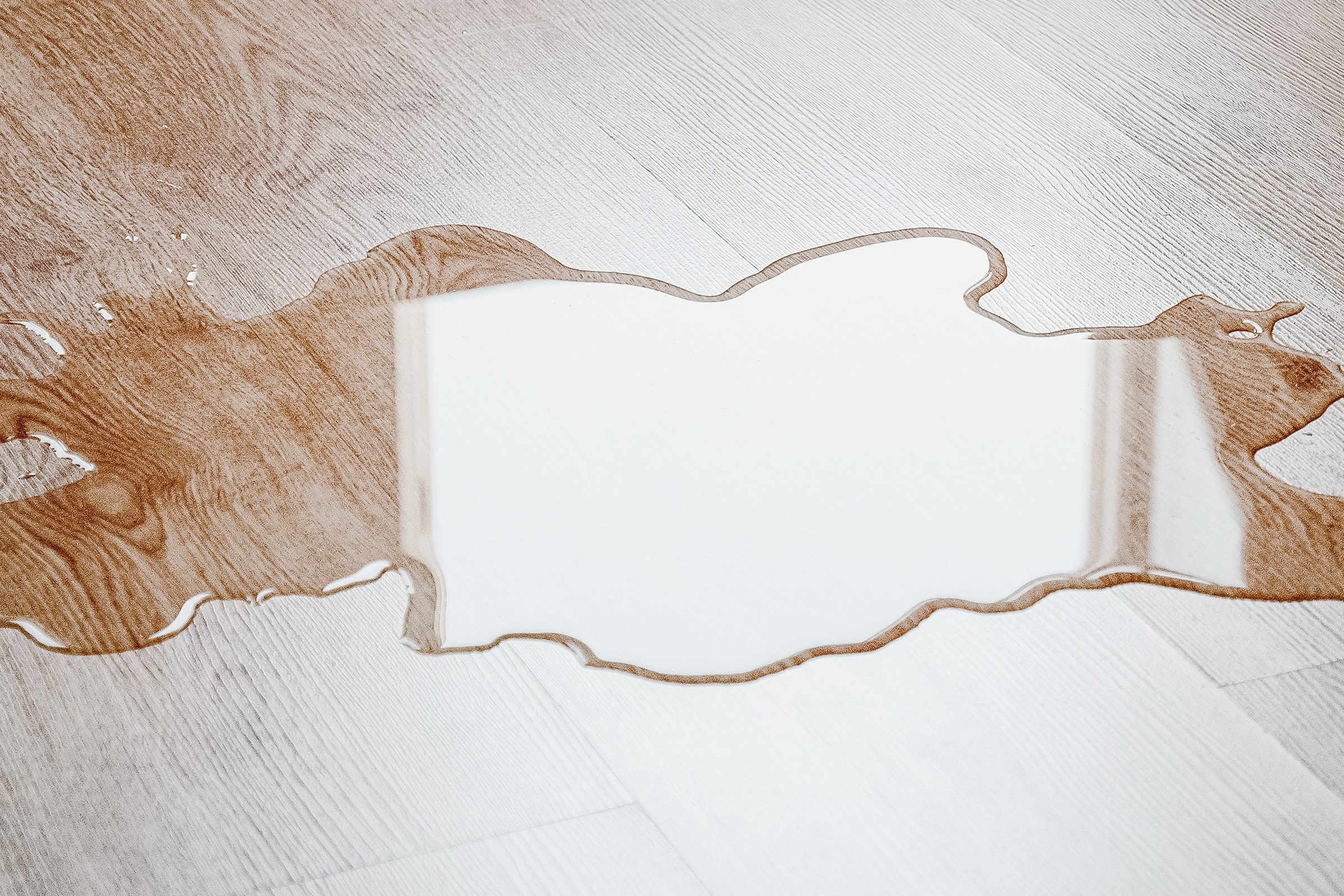
- “Water pooling in the bottom of the cabinet”
- “A wet floor in front of the unit”
- “Ice in the drain or under a drawer”
Symptom
Sub-Zero water leaking from the unit
Water inside the cabinet, under a drawer, or on the floor in front. Where it comes from decides how urgent it is — and built-in units hide it longer than freestanding ones.
- From $95 diagnostic, credited to the repair
- 59 cities and neighborhoods covered
- OEM parts available on order
- In writing the price, before anything is opened
Four ordinary causes
What this usually turns out to be
Cheapest and commonest first, which is also the order we check them in. They sit hundreds of dollars apart, and only the unit settles which one is yours.
-
A blocked or frozen defrost drain
Meltwater going into the cabinet instead of down it. Water pooling inside rather than on the floor points here. Common, and usually not expensive.
Evaporator replacement from $650 -
Condensation that looks like a leak
On a humid coast a seal that is not sealing produces water that reads as a leak and is really a door problem. Worth ruling out before anything is opened.
Door gasket replacement from $220 -
The water line, valve or filter housing
This is the one that reaches the floor and the cabinetry. If the water is clean and continuous, shut the supply off at the valve before anything else.
Control board repair from $450 -
The ice maker
Check whether it is involved before you call — a leak that stops when the ice maker is switched off has told you where it is.
In five minutes
Before you call anybody
None of it needs tools, and all of it makes the visit shorter.
-
01
Shut the supply off if the water is clean and continuous
The shut-off is usually under the sink or behind the unit. A built-in leaks into the cabinetry rather than onto a floor somebody sees.
-
02
Look at where it is pooling
Inside the cabinet points at the defrost drain. On the floor in front points at the water line or the valve. That single observation halves the diagnosis.
-
03
Check whether the ice maker is involved
A leak that stops when the ice maker is switched off has told you where it is, and it costs nothing to find out.
-
04
Then book the visit
Photograph any code and say where the water is appearing. Water near a built-in unit is worth looking at sooner rather than at the weekend.
How it shows up
What people describe when they call
A shortcut
Narrow it down before anybody arrives
A description of the behaviour leaves a few possible causes. A code names the subsystem before anybody opens anything, which is why it is worth photographing before it clears.
If the display is showing something
Photograph it before it clears — codes do not wait. Search the full code list
In more detail
About Sub-Zero water leaking from the unit
The fastest diagnosis is the code
A water-system code names the valve or the check valve directly, which saves a lot of looking. If the display has one, that is the place to start.
Three sources, three different jobs
- The defrost drain. Blocked or frozen, so meltwater goes into the cabinet instead of down. Common, and usually not expensive.
- The water line or valve. Anything from a filter housing to a check valve — this is the one that reaches the floor and the cabinetry.
- Condensation. A seal that is not sealing, on a humid coast, produces water that looks like a leak and is really a door problem.
Why it matters more in a built-in
A freestanding unit leaks onto a floor somebody sees. A built-in leaks into the cabinetry it is fitted into, and the first sign is often the kickplate or the floor at the edge of the run. If you have water anywhere near a built-in unit, it is worth looking at sooner rather than at the weekend.
This article is based on:
- Official manufacturer documentation
- Internal repair procedures
- Technician repair history
- Company quality standards
Before you book
Questions about Sub-Zero water leaking from the unit
Should I turn off the water?
If the water is clean and continuous, yes — at the shut-off. Then look at where it is pooling: inside the cabinet, or on the floor in front.
Is it urgent on a built-in?
More than on a freestanding unit. A built-in leaks into the cabinetry it is fitted into, and the first sign is often the kickplate or the floor at the edge of the run.
Could it be condensation rather than a leak?
On a humid coast, yes. A seal that is not sealing produces water that looks like a leak and is really a door problem.
Where we do it
Across Miami-Dade, Broward, and Palm Beach
Same terms everywhere we go: an on-site diagnostic first, the price agreed in writing, and the exact figure confirmed once we have seen the unit.
Neighborhoods people ask for by name