Sub-ZeroRepair Miami

Refrigeration is all this brand builds — and all this page covers

Sub-Zero appliance repair in Miami, unit by unit.

Six appliance types, one trade. Every unit below is built into cabinetry rather than standing in a gap, which changes how we plan the visit as much as it changes the repair. Tell us which one you have and what it is doing, and we will tell you what it usually points to.

  • 6 appliance types we repair
  • 3 counties covered end to end
  • OEM parts available on order
  • from $95 diagnostic, credited to the repair

Book a visit

Book a diagnostic visit

Your model number and a line about what it is doing is enough to get started. We will confirm the earliest slot we can genuinely keep.

  • Diagnostic from $95, credited toward the repair when you go ahead
  • The work and the price in writing before anything is opened
  • A warranty on our workmanship
  • Miami-Dade, Broward and Palm Beach counties
  1. 01 You tell us the model and what the unit is doing. A photo of the display helps.
  2. 02 We come back with the earliest slot we can genuinely keep, not the earliest one that sounds good.
  3. 03 Diagnosis on site, then the scope and the price in writing before anything is opened.

Your details stay private. No spam, ever.

Loading the booking form…

The booking form is taking longer than it should. Call (305) 570-1472 and we will book the visit with you.

By unit

What we repair, and what usually goes wrong with it

Each card lists the symptoms we are called out for most often on that unit. Start with the one that matches yours — the page behind it goes into the codes, the parts and what the work costs.

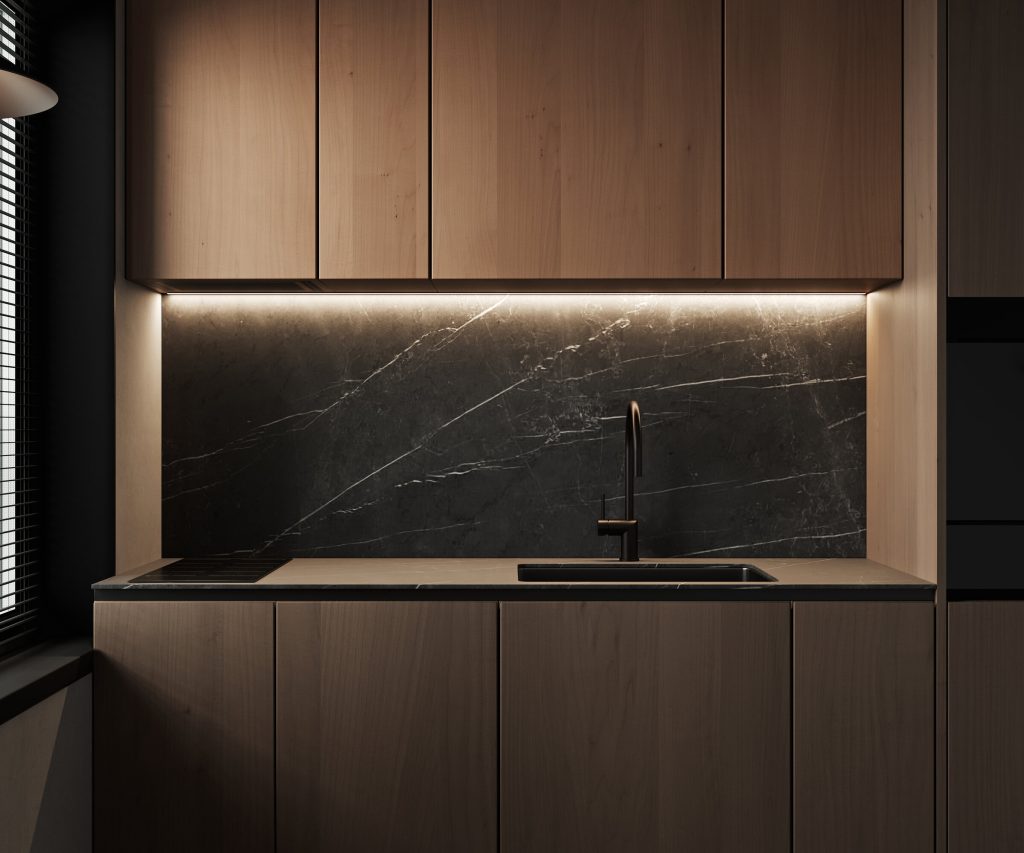
  • Dark kitchen with wood cabinetry and a black marble splashback under warm strip lighting
    Classic · Designer · PRO

    Sub-Zero refrigerator repair in Miami

    Columns, over-and-under, French door and side-by-side, from 30" to 48". These are built into your cabinetry and cannot simply be rolled out, so we plan the access before we arrive rather than discovering it in your kitchen.

    • Not cooling, or cooling unevenly
    • Dual refrigeration: one side warm
    • Sealed system and compressor failures
    Refrigerator repair
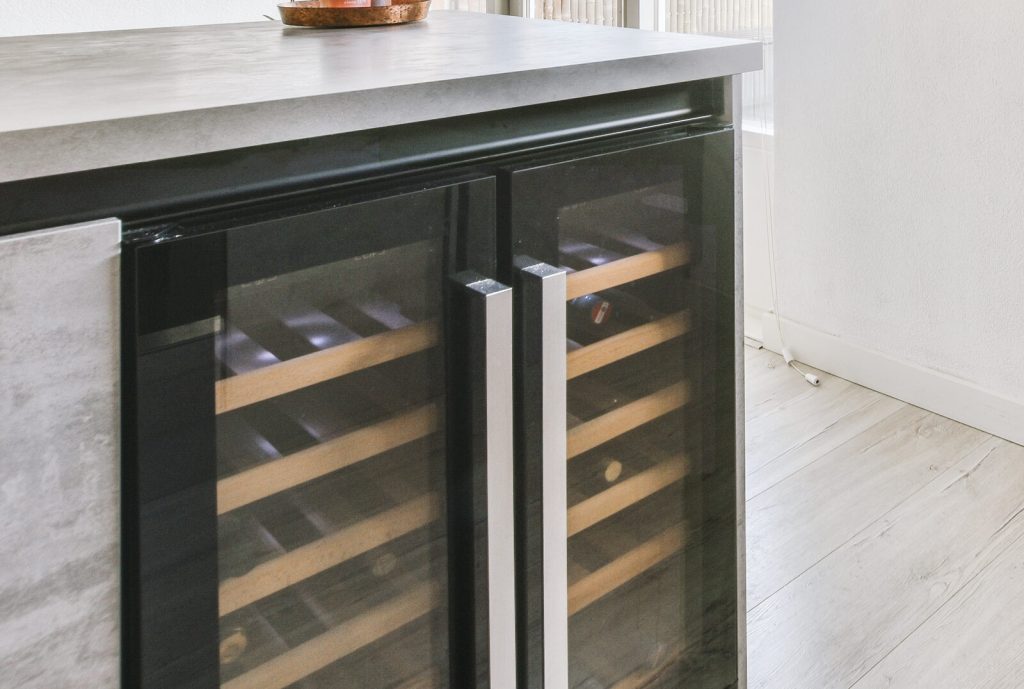
  • Undercounter wine cooler with glass doors built into a kitchen island
    Single & multi-zone

    Sub-Zero wine cooler repair in Miami

    A wine cabinet tends to fail quietly. It drifts a couple of degrees and says nothing, and in a market full of second homes that often goes unnoticed until the collection has paid for it. If a zone is reading off, it is worth looking at early.

    • A zone drifting off its set temperature
    • Humidity control and vibration
    • Door seals, glass heaters and lighting
    Wine cooler repair
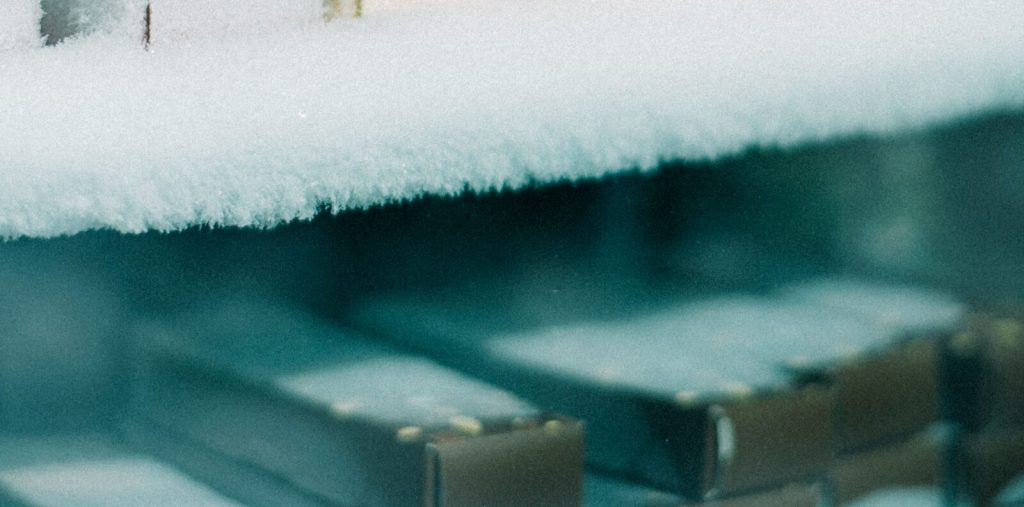
  • Frost building up on a cold surface inside a freezer
    Column & over-and-under

    Sub-Zero freezer repair in Miami

    Column freezers and freezer sections that frost over, run warm, or never quite hold their set point.

    • Heavy frost build-up
    • Defrost heater and thermistor failures
    • Door and gasket sealing
    Freezer repair
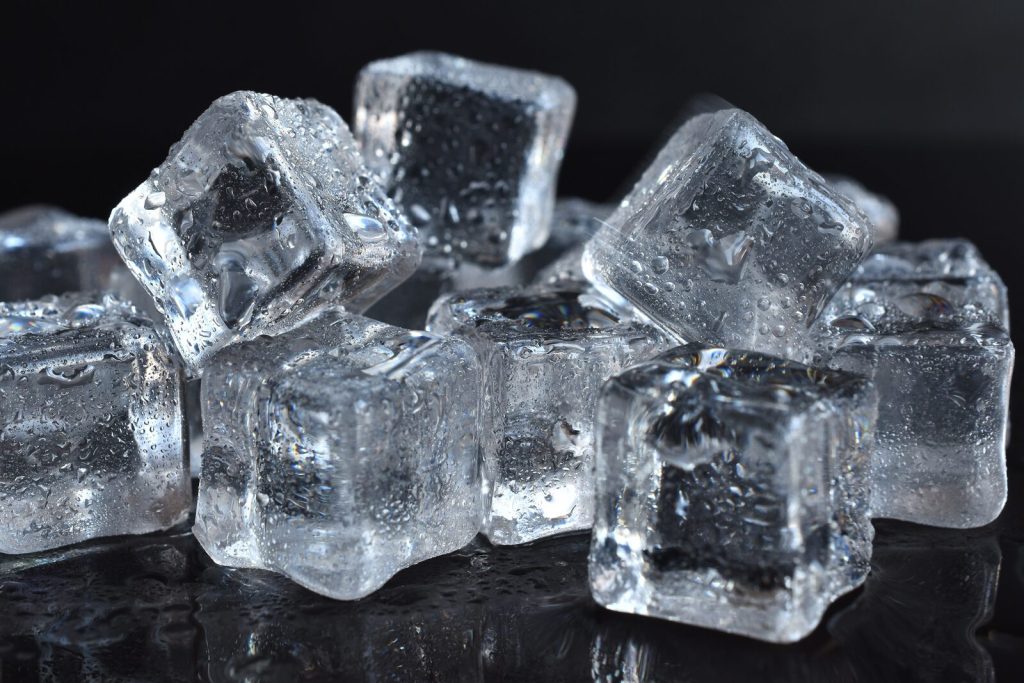
  • Clear ice cubes on a dark reflective surface
    Clear ice · Outdoor · Pump

    Sub-Zero ice maker repair in Miami

    Undercounter, clear-ice and outdoor units, with or without a pump.

    • No ice, or slow production
    • Cloudy ice instead of clear
    • Leaks and drain blockages
    Ice maker repair
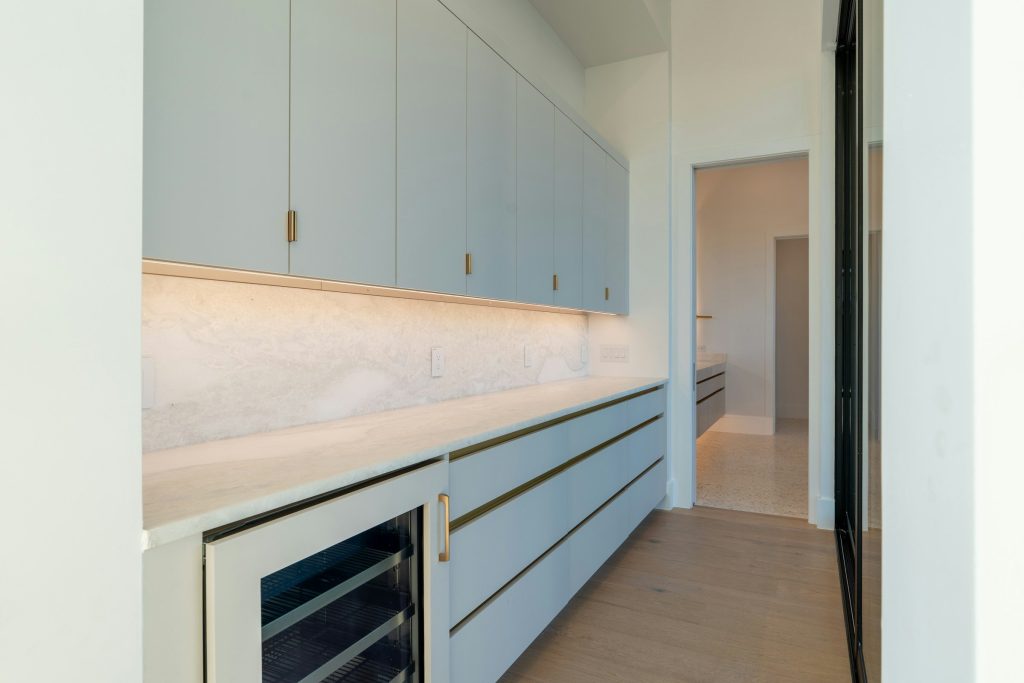
  • A pale blue run of drawers with a glass-fronted wine drawer built in
    Drawers & beverage centers

    Sub-Zero undercounter refrigerator repair in Miami

    Refrigerator drawers and beverage centers built into islands and bars.

    • Drawer units running warm
    • Control and display problems
    • Condenser access in tight cabinetry
    Undercounter repair
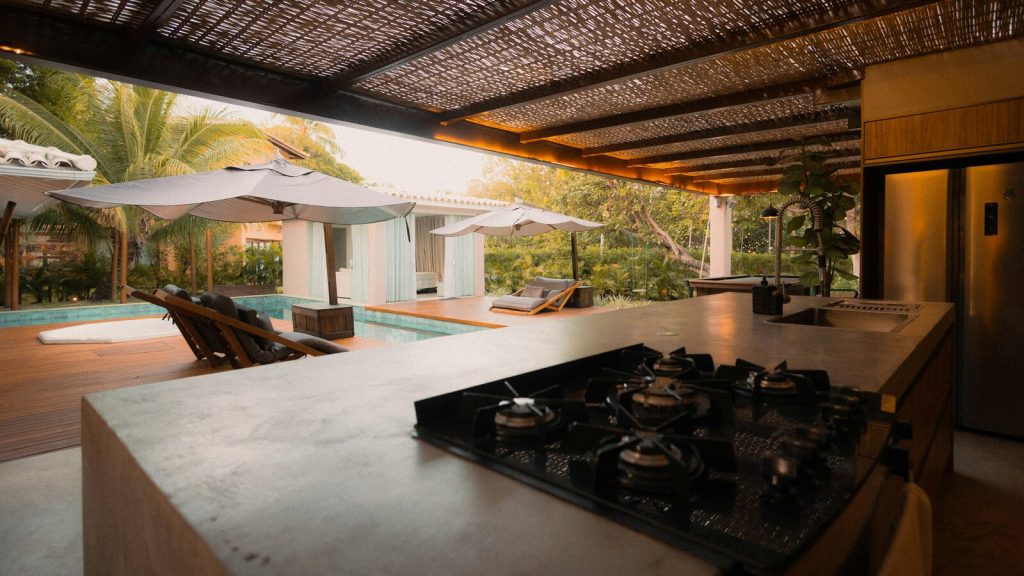
  • Covered outdoor kitchen beside a pool, with a built-in cooktop on a concrete counter
    Heat · Salt · Storms

    Sub-Zero outdoor refrigerator repair in Miami

    Outdoor refrigerators and ice makers — the equipment this climate is hardest on.

    • Heat-stressed sealed systems
    • Salt-air corrosion on coils
    • Trouble restarting after a storm
    Outdoor unit repair

Built-in, not freestanding

A unit installed into cabinetry is a different job before anyone opens it.

A freestanding refrigerator gets pulled out and worked on from behind. A built-in unit does not move: it is fitted into a run of cabinetry, panelled to match it, plumbed for water, and often boxed in on three sides. The condenser is reached through the grille, the compressor from below, and how much of that is possible depends on how the kitchen was built around it.

So we ask about the model and the installation before the visit, not on arrival. It decides which parts ride in the van, how long the appointment runs, and whether we need the service elevator booked in a high-rise. The exact cost is confirmed on site, once we have seen the unit and agreed the scope with you.

See the repairs we carry out
Bright open-plan kitchen island with a city skyline through floor-to-ceiling windows

By job

The repairs behind those symptoms

The same handful of jobs covers all six unit types. If you already know what the unit needs, these are the pages with the starting figures on them.

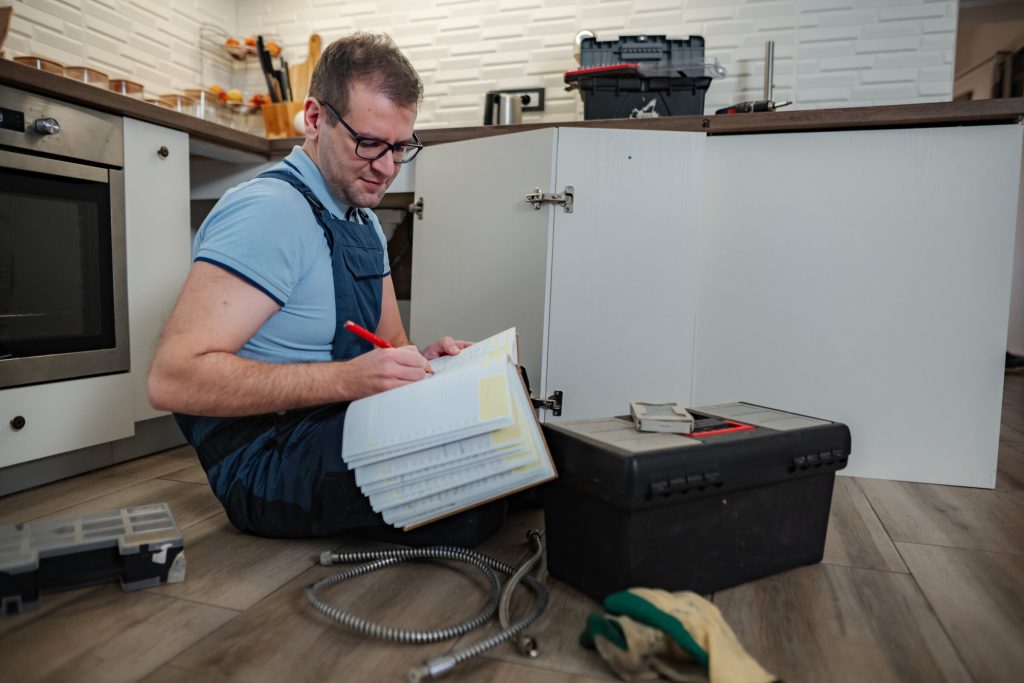
  • A technician sitting on a kitchen floor writing up a job on a clipboard beside an open tool box
    from $95

    Diagnostic visit

    We read the active and stored codes on site, then test the sealed system and the airflow before saying anything about the repair. The fee is credited toward the work when you go ahead.

    What this involves
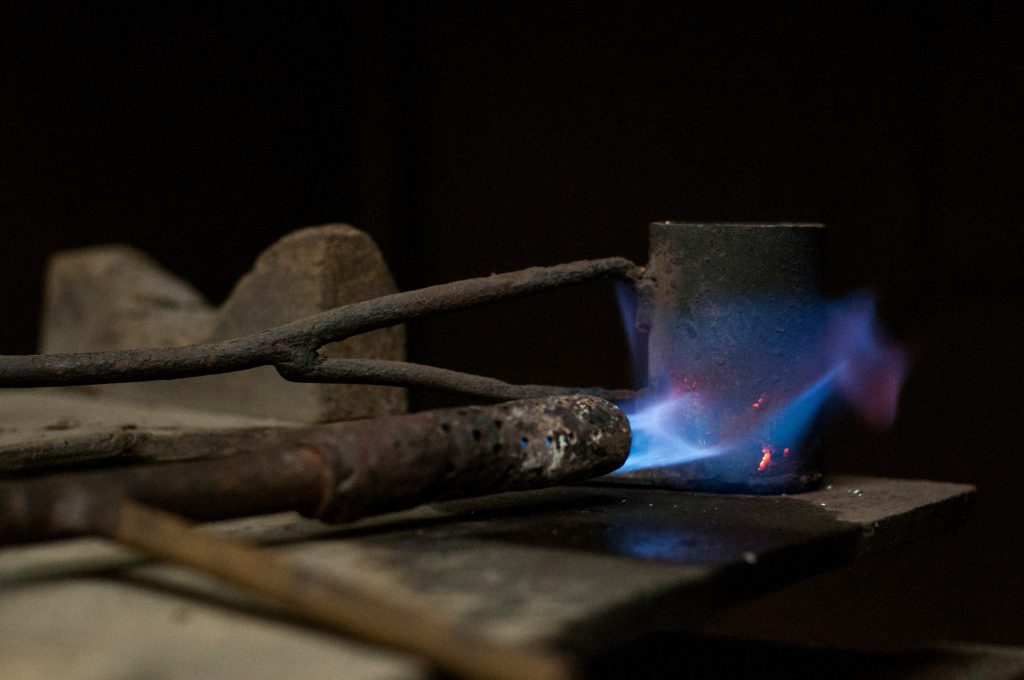
  • A blue brazing flame playing on a metal fitting
    from $1,200

    Sealed system repair

    Refrigerant circuit work, where the diagnosis matters more than the part. A cabinet that cools unevenly, frosts in one zone or runs warm on one side often points here rather than at the control board.

    What this involves
  • The close-packed metalwork of a mechanical assembly
    from $1,400

    Compressor replacement

    Major work, and worth a straight conversation first. On a well-kept built-in unit it is usually the right call; when it is not, we will tell you that instead of selling you the job.

    What this involves
  • Feathered frost crystals grown across a cold surface
    from $650

    Evaporator replacement

    Usually follows a sealed system diagnosis. Heavy frost on one shelf, a zone that will not hold, or a defrost cycle that never quite finishes are the symptoms that lead here.

    What this involves
  • A dark blue circuit board photographed close up
    from $450

    Control board repair

    Boards vary sharply by series, and parts for legacy units can take a few days to source. We confirm the board is the problem before ordering one — a code on the display is not proof by itself.

    What this involves
  • Rows of copper tubing packed tightly together
    from $280

    Condenser fan and coil service

    The most common job we see in South Florida. Year-round heat and coastal salt air clog and corrode condensers years ahead of schedule, and a struggling condenser shortens the life of everything behind it.

    What this involves
  • An open refrigerator lighting a dark kitchen at night, its shelves stocked with food
    from $220

    Door gasket replacement

    The least expensive fix for a cabinet that will not hold its temperature. Worth checking before anyone opens the sealed system, because a tired gasket imitates far more expensive problems.

    What this involves
  • Hand tools laid out on a workbench
    Priced after diagnosis

    Maintenance visit

    In this climate condenser cleaning is seasonal rather than annual. A maintenance visit is the cheapest hour you will spend on a built-in unit, and it is how most sealed system failures get avoided.

    What this involves
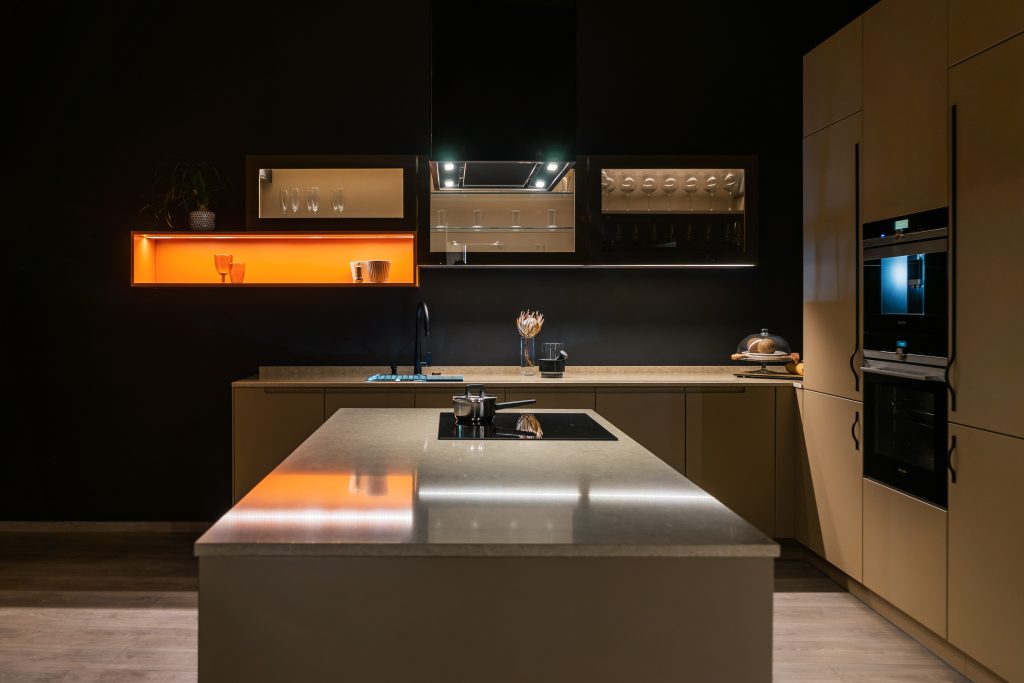
  • Dark modern kitchen with an island and warm shelf lighting
    Priced after diagnosis

    Installation and re-installation

    Built-in refrigeration is installed into cabinetry, not placed in a gap. We handle levelling, panel fitting, water lines and the kickplate clearance the manufacturer asks for.

    What this involves

What this climate does to it

Three things shorten the life of refrigeration in South Florida

None of them are unusual here, and all three are cheaper to prevent than to repair.

Year-round heat

  • Condensers run harder for more months of the year
  • Cleaning is seasonal here, not annual
  • A struggling condenser shortens the compressor's life

Salt air near the water

  • Coils and fan motors corrode years ahead of schedule
  • Outdoor and poolside units take it worst
  • Barrier islands and waterfront homes see it first

Storms and power outages

  • A unit that will not restart after an outage is common
  • Control boards and start components take the hit
  • Worth checking the same week, not the same season

Not seeing your unit?

If it keeps something cold, it belongs on this page.

The six types above are what this brand builds, so they are what we publish. Refrigeration is the whole catalog — there is no oven, no dishwasher and no laundry in it, and a page claiming otherwise would be selling you something we do not do.

What the list does not cover is every configuration. Column pairs, dual-refrigeration cabinets, glass-door units, drawers under an island, an ice maker out by the pool: they are all in scope even where no card names them. If you are not sure which of the six yours is, the model number on the plate inside the door tells us in one call.

Call (305) 570-1472, or use the form above and describe the unit in your own words.

Before you book

Questions we get about the equipment

Do you repair freestanding Sub-Zero units as well as built-in ones?

Yes. Most of what we see in South Florida is built in, and that is what shapes the visit, but a freestanding or panel-ready unit is the same equipment underneath and the same repair.

My wine cabinet is a couple of degrees off. Is that worth a visit?

It is. A wine cabinet rarely stops outright — it drifts, holds the wrong humidity, and says nothing about it. In a market full of second homes that can go unnoticed for a season, and the collection pays for it. A drifting zone is worth looking at early.

The outdoor unit stopped working after a storm. What usually causes that?

Most often it is the start components or the control board rather than the sealed system, and the diagnosis is quick. Outdoor units also carry salt-air corrosion on the coils, so we check that at the same visit rather than coming back for it.

Do you still work on the older 500, 600 and 700 Series?

Yes, and they are a large share of what we see here — plenty of them were installed when these homes were built. Boards for legacy series can take a few days to source, so we confirm the part is the problem before ordering one.

Where do I find the model number?

On the data plate, usually inside the fresh food compartment near the top or along the wall behind the upper drawer. On undercounter and outdoor units it is often behind the grille. A photo of the plate is enough — you do not need to write it down.

In more detail

About Sub-Zero built-in refrigeration

Six types, one trade

Sub-Zero builds refrigeration and nothing else: columns and over-and-under cabinets, wine storage, freezers, ice makers, undercounter drawers and beverage centers, and outdoor units. There is no oven, no dishwasher and no laundry in the catalog, so there is none on this site. What the six have in common is that they are built into cabinetry — and that is what shapes the visit as much as the failure itself.

What tends to go wrong, by unit

  • Refrigerators. Uneven cooling, one warm side on a dual-refrigeration cabinet, sealed system and compressor work
  • Wine storage. A zone drifting off its set temperature, humidity control, vibration, door seals and glass heaters
  • Freezers. Heavy frost, defrost heaters and thermistors, doors that no longer seal
  • Ice makers. No ice or slow production, cloudy ice instead of clear, leaks and drain blockages
  • Undercounter and drawers. Units running warm, control and display problems, condenser access in tight cabinetry
  • Outdoor refrigeration. Heat-stressed sealed systems, salt-air corrosion, trouble restarting after a storm

Legacy series are still worth repairing

A large share of the equipment in South Florida homes is from the 500, 600 and 700 Series — installed when these kitchens were built and still working. Boards and some components for them are scarcer than for current models, so we confirm the part is the problem before ordering it, and we say plainly when a repair is not worth what the unit is worth.

Model numbers

The data plate is usually inside the fresh food compartment near the top, or along the wall behind the upper drawer; on undercounter and outdoor units it is often behind the grille. A photograph of it is enough — it tells us the series, the configuration and which parts fit, before anyone drives anywhere.
Tell us which unit it is, and what it is doing.

We will bring the parts that problem usually needs, and you will have a firm price before we start.

This article is based on:

  • Official manufacturer documentation
  • Internal repair procedures
  • Technician repair history
  • Company quality standards
Call (305) 570-1472