The number is the shortest question we can ask
This equipment is built into cabinetry to a size, and two units that look the same across a kitchen can take different doors, different panels, different gaskets and different boards. The model number settles all of it before anybody is dispatched, which is why it is the first thing we ask for and the reason a repair here often finishes on the first visit rather than the second.
Where the plate is
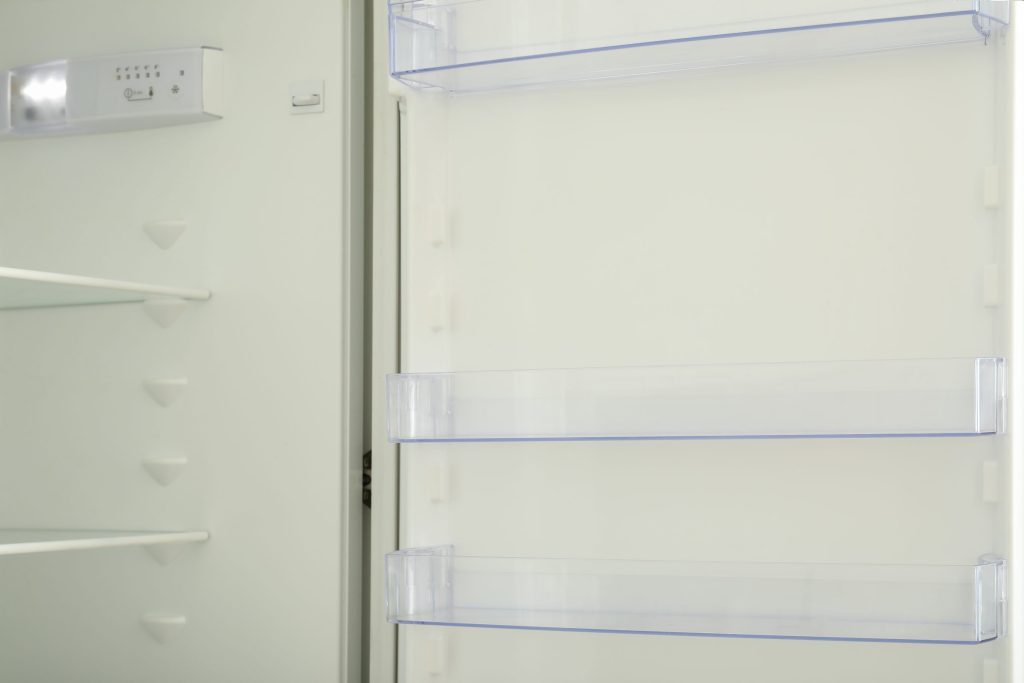
Inside the cabinet, on the upper left wall, visible with the door open – on an undercounter or a drawer unit it is often on the inner frame instead, and on outdoor refrigeration it can be behind the grille. Photograph the whole plate rather than typing it: the letters after the digits are what separate a PRO from a Classic and a wine unit from a refrigerator, and they are the half people leave out.
A series is not a model number
400, 500, 600, 648 PRO, 700, Classic, Designer, Integrated. These describe a generation and a style of installation, and they are useful for talking about a unit. They do not identify a build, and two units in the same series and different years take different parts. Given a series instead of a number, a parts counter answers confidently and sometimes wrongly.
Why the number matters for a code as well
The code formats on this badge changed with the generations – two-digit, EC-prefixed, and three-part. Which format your unit uses is decided by which build it is, so the model number is what tells us whether the number you are reading is a family-zone-issue code or something else entirely.
If the plate is unreadable
Ordinary near the water, and worse on outdoor refrigeration. Send a photograph of whatever is left, along with the unit type and roughly when it was installed, and we narrow it down from the serial or from what is visible. It does not stop a repair.
 English