
Cost Expectations
Is It Worth Repairing a Sub-Zero Refrigerator? How the Math Actually Works
Usually yes, and for a reason that has nothing to do with sentiment: replacing a built-in Sub-Zero is not buying a refrigerator, it is a cabinetry job with a five-figure appliance in it. That moves the break-even point far higher than the familiar rule of thumb. What settles it is which part has gone, whether it is still made, and how old the unit is.
The full guide
Why the usual rule of thumb misleads people here
Almost every article on this question repeats the same arithmetic: if the repair costs more than half of a replacement, replace it. That is genuinely good advice, and for a freestanding refrigerator it is close to unbeatable. A $900 unit, a $500 repair — walk away.
It falls apart on a built-in, and it falls apart in the direction that costs people money.
A built-in Sub-Zero is not an appliance standing in a gap. It is fitted into a cabinetry opening that was built around it, frequently wearing custom door panels made to match the kitchen, plumbed in, and sized to an opening that current models may not match. Replacing it means the appliance, the delivery and fitting into a tight opening, new panels or the modification of existing ones, and often a carpenter for the surround. Once all of that is counted, people who assumed they were comparing a repair against "a new fridge" find they were comparing it against a kitchen project.
That does not mean every repair is worth it. It means the threshold sits much higher than the familiar rule implies, and that arriving at the decision with the wrong denominator is how somebody scraps a unit that had ten good years left.
The three questions that decide it
In this order. The first two settle most cases before any price is discussed.
1. Is the part still made for your series?
The hardest stop there is. A sealed system can be repaired, a compressor can be replaced, a door can be rehung — but an electronic control board that has been out of production for a decade cannot be conjured. Some legacy series are well supported by aftermarket and refurbished boards; others are not.
This is a fact about your model number, and it is knowable in an afternoon. It is also why we ask for the model number before we say anything encouraging on the phone.
2. What has actually gone?
Not "the refrigerator is broken" — which system, and which part.
| What it is | Starting range | How it usually reads at 15+ years |
|---|---|---|
| Door gasket | from $220 | Always worth doing |
| Condenser fan or coil | from $280 | Always worth doing |
| Evaporator fan or defrost part | from $280 | Worth doing |
| Control board | from $450 | Worth doing if the part exists |
| Evaporator replacement | from $650 | Usually worth doing |
| Sealed system repair | from $1,200 | Depends on where the leak is |
| Compressor replacement | from $1,400 | The real decision point |
Starting points for this equipment in South Florida, not quotes. The exact figure is set after an on-site diagnostic, because the model, the access and which part has gone move it — and anybody giving you a final number over the phone has not seen your unit.
3. How old is it, and how has it been treated?
A twelve-year-old unit with a clean condenser and one failed fan is an easy yes. A twenty-two-year old unit facing its second board, with corrosion on the tubing and a compressor that has been running continuously for a year, is a different conversation — and the second repair on a unit like that is usually not the last one.
How long a Sub-Zero lasts goes through what normally ends one, which is the useful frame for this: if the diagnosis is one of the things that ends units, weigh it accordingly.
The arithmetic, done properly
Put the repair against the whole cost of not doing it.
Replacement side of the ledger, for a built-in:
- The unit itself, which for current built-in Sub-Zero refrigeration is a five-figure appliance
- Delivery and fitting into an existing opening, which is skilled work
- Door panels — matched to the kitchen, or the existing ones adapted, or living with the change
- Cabinetry modification where the new unit's dimensions differ from the old
- The days the kitchen is out of action
Repair side:
- The quoted repair
- The realistic chance of a second significant repair inside three years
- What the unit is likely to give you afterward
A useful way to make this concrete: divide the repair by the years you would honestly expect to get from it. A $1,400 compressor on a unit with eight plausible years left is $175 a year. The same repair on a unit that will need a board next winter is not. Nobody can give you those years precisely — but the diagnosis tells you which end of the range you are in, and that is enough to decide with.
When we tell people to stop
There are four, and we would rather say them at the door than after an invoice.
The part does not exist. No amount of willingness changes this. Where a refurbished or aftermarket equivalent exists we will say so, along with what it is worth.
The leak is somewhere we cannot reach. Parts of the refrigerant circuit run through foamed-in insulation on some series. A leak in that section is not a repair, it is a rebuild.
The repair is one of several. If the diagnostic finds a failed compressor *and* corrosion on the condenser *and* a board that is already misbehaving, we will price the whole picture rather than the first item, because the first item alone would be a bill for eight months of service.
The unit was never right. Occasionally a unit has been limping since an installation problem years ago — inadequate clearance, a cabinet that traps the condenser's heat. Fixing the symptom without fixing that is spending money on the same repair repeatedly.
Be careful with a very low quote on a major job. Sealed system work needs recovery equipment, a proper vacuum, an accurate charge and time — under Section 608 of the Clean Air Act it is illegal to knowingly vent refrigerant, and doing the job properly costs what it costs. A number well under the ranges above usually means somebody is planning to add refrigerant to a system with a hole in it, which buys weeks and leaves you paying twice.
What is nearly always worth repairing
To end on the useful half. On a unit under twenty with a supported parts situation, these are rarely a close call:
- Door gaskets. The cheapest way to stop a cabinet fighting for its temperature, and they are a wear item, not a system that has died.
- Condenser fans and coil work. The most common job we do here, and the one that most often prevents a much larger one.
- Evaporator fans and defrost components. Everyday repairs on equipment built to be repaired.
- Ice makers. A self-contained assembly; a failed one says nothing about the refrigeration.
- Anything found early. The pattern in almost every unit we have condemned is a small problem that ran for a year.
How to get an answer for your unit
Have the model and serial number ready — behind the upper grille on most built-ins — and be able to say what the unit is actually doing rather than what you think is wrong with it.
If what you want first is to understand why the figures on our cost pages are what they are, that is why a Sub-Zero repair costs more.
Then book a diagnostic visit. It is from $95, credited toward the repair when you go ahead, and what it buys is the one thing this decision cannot be made without: a named part, a price, and an honest read on what the unit has left. If that read is "not worth it", you will have it in writing, and you will be making a five-figure decision on evidence instead of on a rule of thumb written for a different appliance.
If it turns out to be a repair
What this leads to, and what it costs
Every job on this site is priced the same way: an on-site diagnostic first, the figure agreed in writing before anybody starts.
-
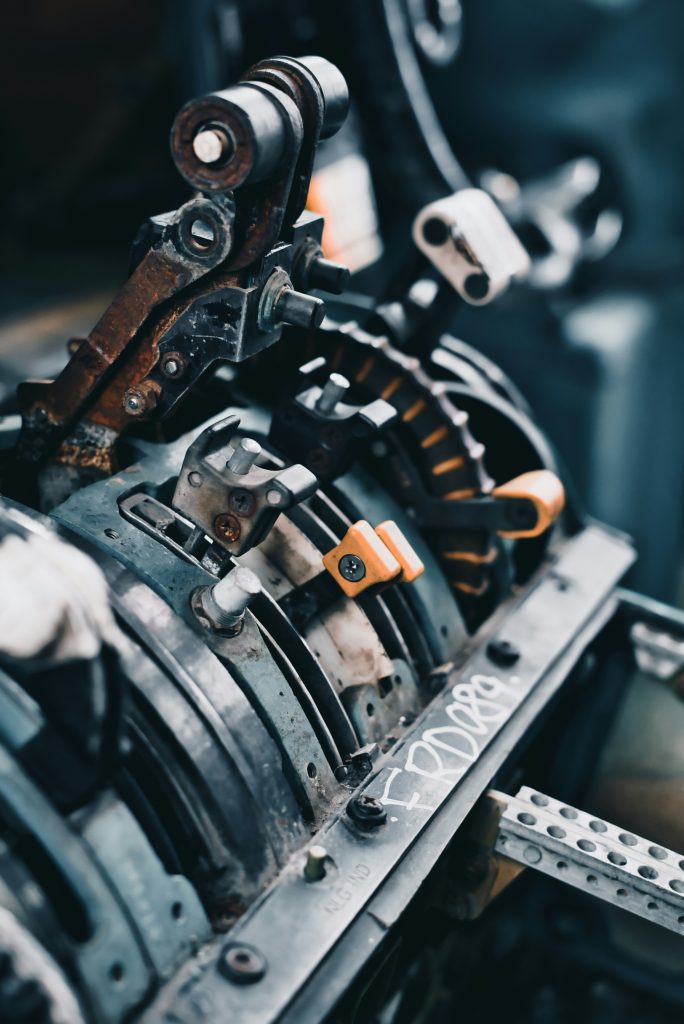
from $1,400 Compressor replacement cost
The largest figure on this page, and the one worth a straight conversation first. On a well-kept built-in unit it is usually the right call; when it is not, we will say so rather than sell you the job.
- A built-in compressor costs several times a mainstream one
- OEM parts are available on order
- We will tell you when a repair is not worth what the unit is worth
-

from $1,200 Sealed system repair cost
Refrigerant circuit work, where the diagnosis matters more than the part. A cabinet that cools unevenly, frosts in one zone or runs warm on one side often points here rather than at the control board.
- Leak detection and refrigerant recovery are part of the job
- A dual-refrigeration cabinet has two systems, priced separately
- Verified back to set point before we leave
-
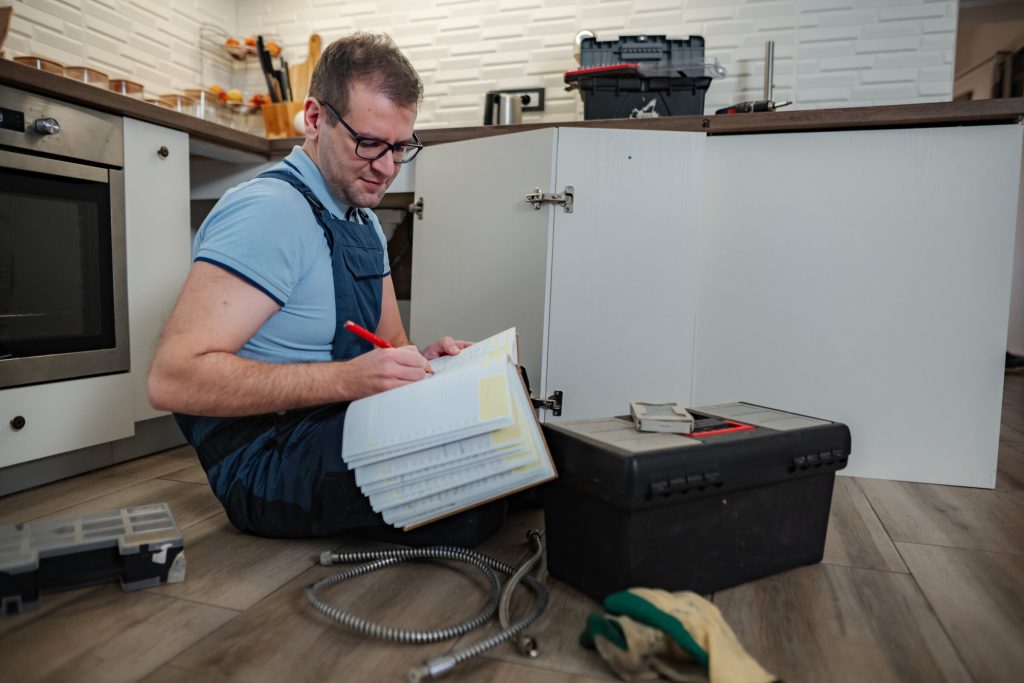
from $95 Diagnostic visit
We read the active and stored codes on site, then test the sealed system and the airflow before saying anything about the repair. The fee is credited toward the work when you go ahead.
- Active and stored codes read on site
- Sealed system and airflow tested
- Credited toward the repair
-

Priced after diagnosis Maintenance visit
In this climate condenser cleaning is seasonal rather than annual. A maintenance visit is the cheapest hour you will spend on a built-in unit, and it is how most sealed system failures get avoided.
- Condenser cleaned and airflow checked
- Door seals and drainage inspected
- Stored codes read and cleared

Questions people ask about this
What is the 50% rule and why does it not apply here?
It says do not spend more than half the cost of a new appliance on repairing the old one. It is sound arithmetic for a $900 freestanding refrigerator you can wheel out and wheel a new one in. A built-in is fitted to the cabinetry and often wears custom panels, so replacing it means a carpenter as well as an appliance, and half of that number is a much larger figure than most people assume.
Can a Sub-Zero be rebuilt rather than replaced?
For a lot of the unit, yes — sealed systems can be repaired, compressors and evaporators replaced, doors rehung and gaskets renewed. What cannot be rebuilt is a control board nobody manufactures. That is why parts availability for your specific series decides more than the age does.
Will you tell me if it is not worth fixing?
Yes, and plainly. We would rather lose a job than take payment for a repair that buys somebody eight months. If the diagnosis points at a part that is unobtainable, or at work that costs more than the unit can be worth, that is what the report will say.
Is a partial repair ever the right answer?
Sometimes. On an older unit that is near the end anyway, the sensible move can be the smallest repair that restores service, made with your eyes open about what else is coming. We will say when that is the case rather than quoting the thorough job as though it were the only one.
Cost Expectations
More guides like this one
-

Why a Sub-Zero Repair Costs More Than the Same Repair on a Mainstream Unit
Our cost pages give the figure for each job. This is the question that comes before them: why that figure is higher than the number a general appliance site quotes. There are four reasons, and none of them is the badge on the door.
Read more -

What a Wine Cabinet Repair Costs, and Why It Is Not a Refrigerator Repair
Wine storage fails differently from food storage, and the money follows the difference. Two degrees out ruins a collection long before it would ruin dinner — and the cheapest repairs on this list are the ones people put off longest.
Read more -
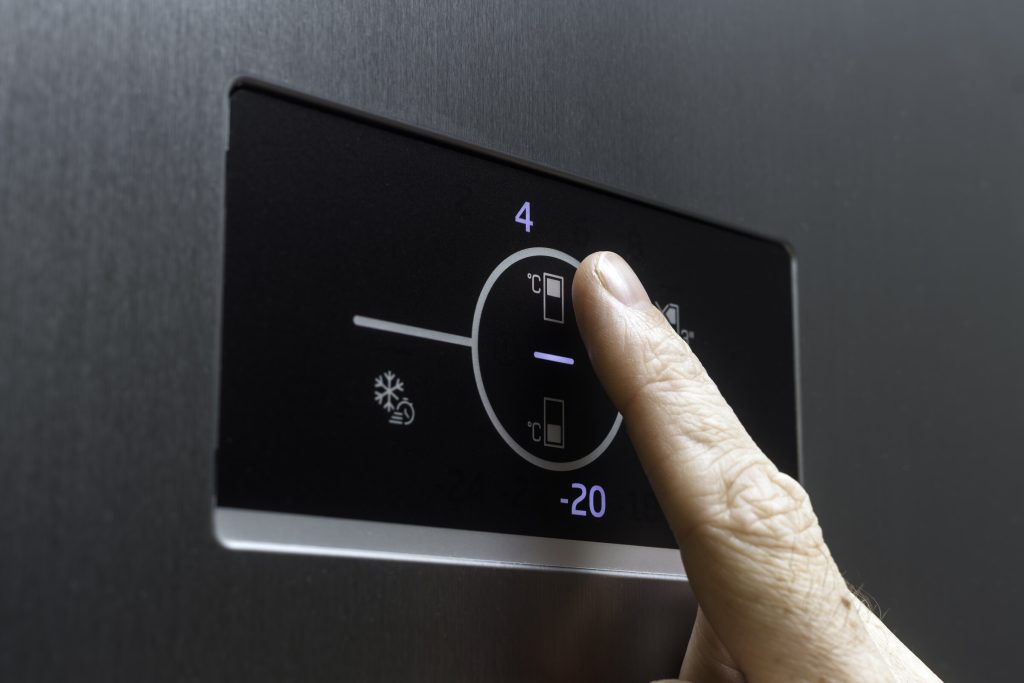
What an Ice Maker Repair Costs — and When the Assembly Is the Cheap Answer
An ice maker is a self-contained machine bolted inside a refrigerator, and that one fact changes the whole arithmetic. It means a dead ice maker says nothing about the refrigeration — and that replacing the whole unit is often cheaper than chasing the part inside it.
Read more
Tell us the model number and what it is doing.
This article is based on:
- Official manufacturer documentation
- Internal repair procedures
- Technician repair history
- Company quality standards