
Common Problems
Why Your Sub-Zero Is Leaking Water, and Which of the Four Sources It Is
Water from a Sub-Zero comes from one of four places: a blocked defrost drain, a leaking water supply line or inlet valve, an overflowing drip pan, or condensation from a door that is not sealing. Water inside the cabinet is almost always the drain. Clean water appearing at the front or under the unit, especially with the ice maker running, points to the supply line. Where the water sits is the fastest way to tell them apart.
The full guide
Start with where the water is
There is no single reason a refrigerator leaks, and every answer you will find online begins by listing all of them at once. That is not useful when there is water on your floor.
So begin with a question you can answer without tools, in the time it takes to open the doors and look. Where is the water? The four sources put it in four different places, and the location narrows the cause faster than anything else you can do.
| Where you see it | What it almost always is | How urgent |
|---|---|---|
| Pooling inside, under the crisper drawers | Blocked defrost drain | Not urgent, but it will not stop |
| Under the freezer floor, sometimes as a sheet of ice | Blocked drain, further along | Not urgent |
| Clean water at the front or beneath the unit | Supply line, inlet valve, fill tube | Prompt — it is fed by house pressure |
| Beads on the walls, damp around the door edge | Condensation from a poor seal | Not urgent, but it invites mold |
| Near the compressor, at the back or under the grille | Drip pan overflowing or cracked | Prompt |
The rest of this guide takes those four in the order you are most likely to meet them.
Water and electricity first. Before diagnosing anything, look at where the water is going. If it is reaching an outlet, an extension cord, a power strip or the breaker panel, switch the unit off at the breaker before you do anything else. If you are in a condominium and the water is spreading across a floor rather than pooling, treat it as urgent for the same reason: the expensive part of a refrigerator leak is rarely the refrigerator.
Source one: the defrost drain
This is the cause behind most of the calls we take, and the one people least expect, because nothing about it is obvious from the outside.
Your refrigerator makes frost. Every unit does — humid air enters each time a door opens, and that moisture freezes onto the coldest surface inside, which is the evaporator. Left alone, that frost would build until air could no longer pass through the coil, so the unit melts it off on a schedule. The meltwater runs down a small drain tube to a shallow pan near the compressor, where the heat of the compartment evaporates it away. You are not meant to ever see any of this.
When the drain blocks, the water still arrives and has nowhere to go. It backs up, spills over, and appears in the bottom of the cabinet — usually a day or two after the blockage forms, and always in the same place.
What blocks it: a slow accumulation of food debris and biofilm, which in a warm humid climate grows faster than most owners expect; or a plug of ice, which forms when the drain heater is not doing its job and then refreezes each cycle.
Kitchens here run humid nearly all year. That is not a small difference — the amount of moisture entering a cabinet on each door opening is what feeds both the frost and the sludge in the drain, so the interval between a clean drain and a blocked one is genuinely shorter in Miami-Dade than the manual's national figures assume. We see drain blockages on units that would be years from trouble in a dry climate.
What you can do. If your model gives you access to the drain opening at the back of the freezer floor, flushing it with warm water — a turkey baster is the traditional tool — will clear a soft blockage often enough to be worth trying. Do it with the unit switched off, and give it time.
What you should not do is push anything stiff into the tube. It is soft, it curves out of sight almost immediately, and behind it are components that are extremely expensive to repair. A wire coat hanger has ended more than one refrigerator.
If warm water does not clear it, or if the water is coming back within a week, the blockage is further along than you can reach or the drain heater has stopped working. Both are ordinary jobs for somebody with the unit apart, and neither gets better with time.
Source two: the water supply
If the water is clean, has no smell, and appears at the front of the unit or underneath it rather than inside, look at the supply side.
A built-in refrigerator with ice and water is plumbed into the household supply. Between the wall and the ice maker there is a shutoff, a length of line, an inlet valve, and a fill tube. Any of them can leak, and unlike a drain blockage, a supply leak is pressurized: it does not run at a trickle until it stops, it keeps running.
The signs that point this way:
- The puddle grows while the ice maker is filling and is stable in between
- The water is clear and tastes of nothing
- There is dampness at the back or under the toe grille rather than inside the cabinet
- The floor in front of the unit is wet but the interior is dry
A leaking inlet valve often shows up as an ice problem first. The valve is what lets water through on demand, and a valve that is weeping is usually also a valve that is not delivering a full fill. Hollow cubes, short batches or a slab of ice at the bottom of the bin often arrive weeks before anybody notices water on the floor.
This is the one source where waiting genuinely costs money. A drain blockage is a nuisance. A supply line dripping behind a built-in unit that cannot be pulled out to look is how floors get replaced.
Source three: condensation
Sometimes what looks like a leak never came from a pipe at all.
Warm, humid room air that gets into a cold cabinet gives up its moisture on the first cold surface it meets. You see it as beads on the interior walls, a damp band around the door opening, or a shelf that is wet without any obvious source above it. In a bad case it runs down and collects at the bottom, which is why it gets mistaken for a drain problem.
The causes are all about the door:
- A seal that has hardened, flattened or torn along one edge
- A jar or a bottle on a door shelf holding the door a few millimeters open
- A drawer or a freezer basket that is not pushing fully home
- A door that has dropped slightly on its hinge and no longer meets the cabinet squarely
The quick test is paper. Close the door on a sheet of paper and pull. If it slides out with almost no resistance, the seal is not gripping at that point — and a seal that fails at one point on the run is usually near the end of its life across the whole run.
Gaskets do not last as long here. Heat, humidity and the constant cycling that comes with both harden the rubber faster than in a temperate climate, and a gasket that is holding fine in October can be letting air past by the following summer. It is the single most common part we replace.
Source four: the drip pan
The pan under the unit is where all that defrost meltwater is supposed to end its life, evaporating away into the machine compartment. Two things go wrong with it.
It overflows, because more water is arriving than can evaporate. That happens when the unit is running far more than it should — a dirty condenser, a door left ajar, a system losing efficiency — and the extra runtime means extra defrost cycles and extra water. In that case the pan is a symptom, not a cause, and the real conversation is about why the unit is working so hard.
Or it cracks, which they do with age and heat, and then the water goes straight to the floor without ever being visible from inside.
Either way, the pan is under the unit and reaching it on a built-in is not an owner job.
What each one costs you if you leave it
None of these four fix themselves, but they fail differently over time, and that is worth knowing before you decide how quickly to act.
A blocked drain left alone keeps depositing water in the cabinet, which reaches the floor of the compartment, gets under the drawers, and eventually finds the insulation. Wet insulation is the quiet expensive one: it does not dry out, it degrades the cabinet's performance permanently, and it is not repairable.
A supply leak is fed continuously and is the most likely of the four to cause damage outside the refrigerator. This is the one to treat as urgent.
Condensation invites mold, which finds the gasket, the drain and the drip pan in that order, and turns a repair conversation into a cleaning one as well.
An overflowing pan is telling you something about the rest of the machine, and that something is usually a condenser nobody has cleaned.
When to call somebody
Book a visit if any of the following is true:
- The water is clean and appearing at the front — that is the supply side, and it is pressurized
- You have flushed the drain and the water came back
- There is ice under the freezer floor rather than water
- The unit is also running constantly, or is warmer than it should be
- Water is reaching anything electrical, or a floor you share with a neighbor below
Bring the answer to one question with you when you call: where was the water. It sounds trivial, and it is the single most useful thing you can say, because it eliminates two of the four sources before anybody opens a panel.
The one thing that prevents most of this
Two of the four sources — the blocked drain and the overflowing pan — trace back to the same root, which is a unit working harder than it needs to and cycling more than it should. The most common reason for that is a condenser packed with dust.
It is twenty minutes with a vacuum cleaner, twice a year, and it prevents more expensive repairs than everything else an owner can do put together.
If it turns out to be a repair
What this leads to, and what it costs
Every job on this site is priced the same way: an on-site diagnostic first, the figure agreed in writing before anybody starts.
-
Inside, or on the floor Water leaking from the unit
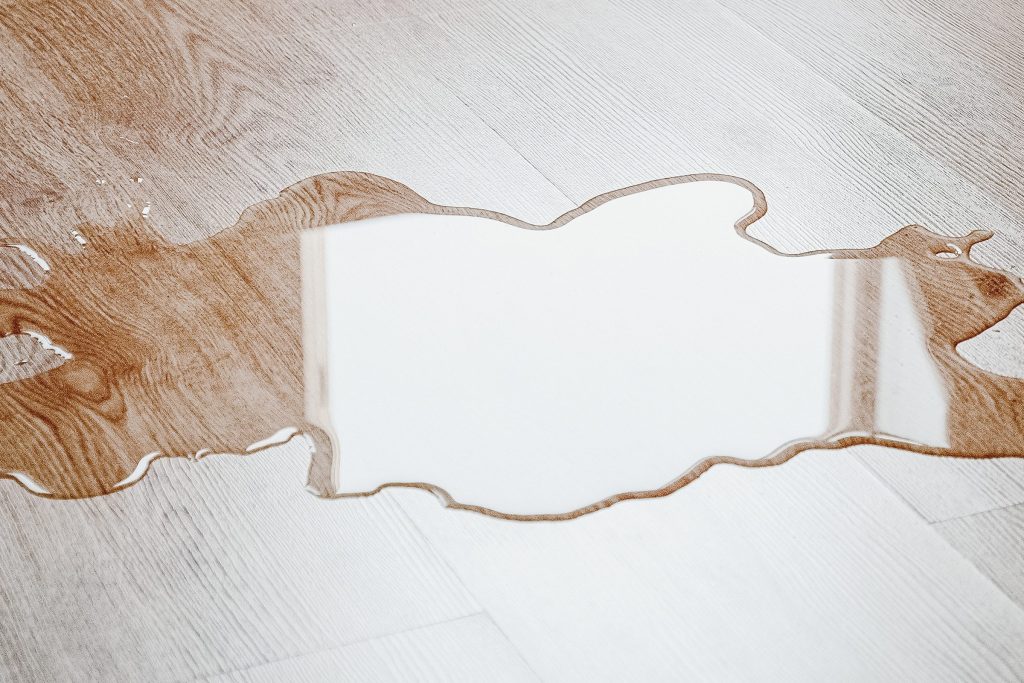
Water inside the cabinet, under a drawer, or on the floor in front. Where it comes from decides how urgent it is — and built-in units hide it longer than freestanding ones.
- Water pooling in the bottom of the cabinet
- A wet floor in front of the unit
- Ice in the drain or under a drawer
-
Priced after diagnosis Maintenance visit
In this climate condenser cleaning is seasonal rather than annual. A maintenance visit is the cheapest hour you will spend on a built-in unit, and it is how most sealed system failures get avoided.
- Condenser cleaned and airflow checked
- Door seals and drainage inspected
- Stored codes read and cleared
-
from $95 Diagnostic visit
We read the active and stored codes on site, then test the sealed system and the airflow before saying anything about the repair. The fee is credited toward the work when you go ahead.
- Active and stored codes read on site
- Sealed system and airflow tested
- Credited toward the repair

Questions people ask about this
Why is there water in the bottom of my Sub-Zero refrigerator?
Nearly always a blocked defrost drain. Every refrigerator melts frost off its evaporator on a schedule and sends the meltwater down a small tube to a pan near the compressor, where it evaporates. When that tube blocks — with sludge, food debris, or a plug of ice — the meltwater has nowhere to go, so it backs up and appears in the bottom of the cabinet at the end of each defrost cycle.
Is a leaking refrigerator dangerous?
The water itself is not, but where it goes can be. Water that reaches an outlet, an extension cord or a breaker is an electrical hazard, and water that gets under flooring or into a ceiling below is expensive long before anyone notices it. In a building, a slow leak becomes somebody else's problem quietly. If water is spreading rather than pooling, switch the unit off at the breaker and get it looked at.
Can I fix a blocked defrost drain myself?
Sometimes. If you can reach the drain hole at the back of the freezer compartment, flushing it with warm water often clears a soft blockage. What you should not do is push anything rigid down it: the tube is soft and sits against components you cannot see, and a hole made in the wrong place turns a free fix into a sealed-system conversation.
The water is clean and appears near the front. What does that mean?
That pattern usually means the supply side rather than the drain — the household water line, the shutoff, the inlet valve or the fill tube that feeds the ice maker. Clean water, no smell, and a puddle that grows while the ice maker is filling are the signs. This one deserves attention promptly, because a supply-side leak is fed by household pressure and does not stop on its own.
Why would condensation form inside my refrigerator?
Because humid room air is getting in and meeting cold surfaces. In South Florida that happens fast. The usual causes are a door seal that has hardened or torn, a door held open by something on a shelf, or a drawer that is not closing fully. It shows up as beads of water on the interior walls and a damp band around the door rather than a puddle underneath.
Common Problems
More guides like this one
-

Every Noise a Sub-Zero Makes, and Which Ones Mean Something
Most of the sounds that bring people to a search box are the unit working exactly as designed. A few are not. Here is the whole catalog — what makes each noise, and the four that are worth a phone call.
Read more -
Frost and Ice Building Up in a Sub-Zero: What It Is Telling You
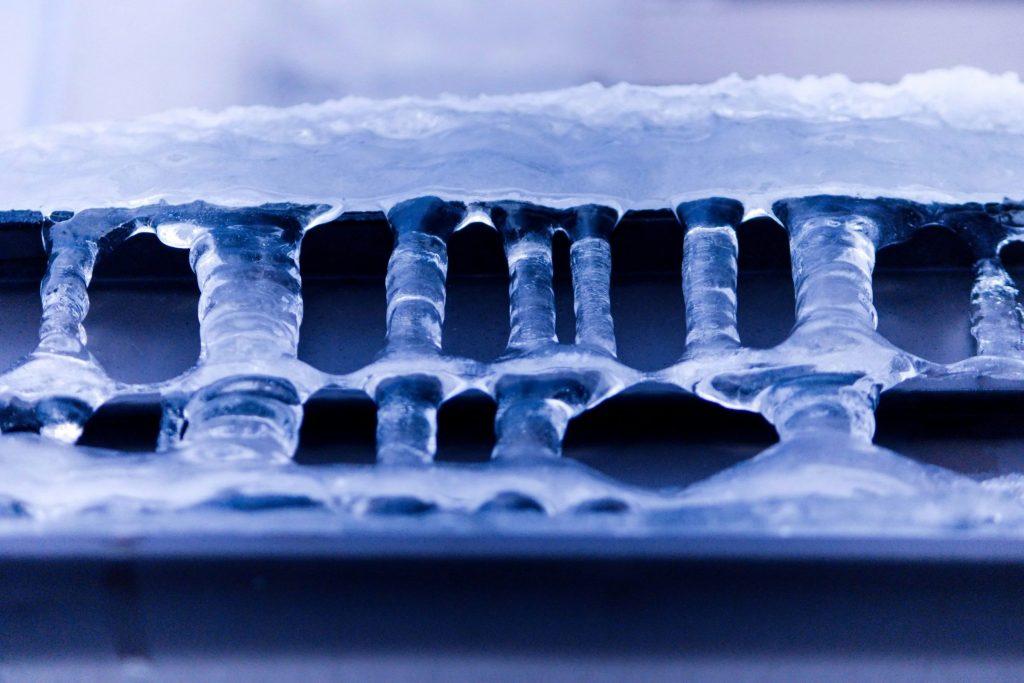
Ice is the most readable symptom this equipment produces. Where it forms tells you which part has stopped doing its job — and a unit that needs defrosting by hand is not asking for housekeeping, it is reporting a problem.
Read more -

Sub-Zero Refrigerator Not Cooling but the Freezer Is Fine: What That Split Means
One compartment warm and the other still frozen is not half a problem — on a Sub-Zero it is a specific one. Here is what the split rules out, what it usually turns out to be, and how long the food has.
Read more
Tell us the model number and what it is doing.
This article is based on:
- Official manufacturer documentation
- Internal repair procedures
- Technician repair history
- Company quality standards