
Common Problems
How Long Does a Sub-Zero Refrigerator Last, and How to Read Yours
A built-in Sub-Zero commonly runs 15 to 25 years, and 20 is a fair planning figure. The compressors and cabinet usually outlast everything else; what ends most units is a sealed system leak or an electronic control that is no longer made. In coastal South Florida, expect the lower half of that range unless the condenser has been cleaned on schedule.
The full guide
The number, and what it is worth
Twenty years is the figure the brand is known for and it is broadly fair. Across the units we work on in South Florida, a built-in Sub-Zero that has been looked after runs somewhere between fifteen and twenty-five years before something ends it, and plenty run longer than that with one major repair somewhere in the middle.
But an average is a weak thing to plan around, because the spread is enormous and it is not random. Two identical 650s installed the same year in the same building can be eight years apart in condition, and the difference is almost never luck. It is whether anybody ever cleaned the condenser.
So the useful question is not "how long do they last". It is what is going to end this one, and how far away is that. That has an answer you can work out yourself in about ten minutes.
What actually ends a Sub-Zero
Ranked by what we see, and it is not the order most people expect.
A sealed system leak
The most common terminal diagnosis. Refrigerant circulates in a closed loop of copper and aluminum; if that loop develops a pinhole, the charge escapes, the compressor runs continuously against nothing and the compartment never comes down.
Repairable, and often worth repairing. What makes it terminal is when the leak is in a part of the circuit that is buried in the cabinet insulation — some evaporator and condenser runs are foamed in place — and getting at it costs more than the unit is worth.
A control board that is no longer made
The quiet one. Nothing is mechanically wrong; the electronics that command it have stopped, and the board has been out of production for years. On legacy units this is genuinely the end for some models, and it is why we ask for the model number before promising anything: parts availability is a fact about your specific series, not about the brand.
This is the one respect in which an older unit can be safer to own than a newer one. A 1990s Sub-Zero has fewer electronics between you and the refrigeration, and more of what it does have can be substituted with something generic. The trade is that it is less efficient and less precise.
A compressor
Less often than people assume. Compressors on this equipment are unusually good, and we replace far more evaporator fans, defrost components and boards than compressors. When one does go, it is frequently the *consequence* of something else — a system that has been running continuously for months against a leak or a blocked condenser, which is a slow way of wearing out the one part nobody wants to replace.
Corrosion
Specific to where we work, and covered below.
What almost never ends one
The cabinet, the doors, the hinges, the drawers and the shelving. A twenty-year-old Sub-Zero usually looks and feels like a piece of furniture that has another twenty in it, which is exactly why the repair-or-replace decision is harder here than on a mainstream refrigerator.
How old is yours
Two ways to find out, one exact and one close enough.
The model and serial plate
On most full-height built-ins the plate is behind the upper grille. Take the grille off — usually two screws or a firm pull, depending on the series — and look along the left-hand side of the opening. On some units it is on the interior wall near the top left of the refrigerator compartment, and on undercounter models it is normally inside the door opening.
Photograph it. Both numbers, in focus. It is the first thing any technician or parts desk will ask for, and hunting for it with the door open in a Miami kitchen in August is a job you only want to do once. The manufacturer can date a unit exactly from its serial number.
The series number, which brackets the era
If you cannot get to the plate, the model number itself tells you roughly when the unit was built, because Sub-Zero's series run in generations. Our model pages set out what each generation means for repair — which controls it uses, what is still available, and what commonly goes.
That matters more than the exact year. A unit's generation decides its parts situation, and the parts situation decides whether "fifteen years old" means "halfway through" or "near the end".
What South Florida does to the number
Three things here take years off a refrigerator, and all three are avoidable.
Salt. Aerosolized salt reaches well inland from the beach and it corrodes aluminum fins and copper joints. On the barrier islands and along the Intracoastal we find corrosion-driven leaks on units that have never been touched, and it is the single most common reason a coastal unit ends its life earlier than an identical one ten miles west.
Heat that never lets up. A condenser rejects heat into the room. In a kitchen that sits at 76°F year-round with no cold season to rest in, the system spends more of its life running than the same unit would anywhere north of here. Run hours are what wear compressors out.
Humidity. Every door opening loads the evaporator with moisture that has to be defrosted off again. It is why frosted coils and stressed defrost systems are more common here.
None of this is fatal and none of it is unusual — it is just the climate charging rent. What it means practically is that the condenser cleaning interval printed in the manual is written for a national average and is too long for this market. Cleaning it on a South Florida schedule is the single highest-value thing an owner can do, and it is free. We set out how in how to clean a Sub-Zero condenser.
What a well-kept unit looks like at each stage
Rough, honest, and based on what walks through our schedule rather than on a warranty table.
| Age | What is normal | What is worth acting on |
|---|---|---|
| 0–7 years | Nothing but filters and condenser cleaning | Any sealed system symptom — it should not be happening yet |
| 8–14 years | First fan motor, first gasket, first defrost component | A compressor that never stops, or rising run hours |
| 15–20 years | Board or sealed system work becomes plausible | Check parts availability before committing to a big repair |
| 20+ years | Still normal service, if it has been maintained | Decide in advance what your ceiling on one repair is |
The row that matters is the last one. The owners who end up unhappy are not the ones whose unit failed at twenty-two years — that is the deal. They are the ones who had never decided, before the phone call, what they were willing to spend on it.
Signs yours is nearer the end than the number suggests
- The compressor rarely stops. Continuous running is the clearest early warning there is, and it is usually fixable while it is still just a warning.
- It has gradually got less cold over a year or two. Slow decline points at the sealed system, which is the expensive end.
- Frost keeps coming back after somebody defrosts it. The defrost system is not keeping up.
- You have already replaced the board once. Not a problem in itself, but it tells you the parts clock on your series is running.
- There is visible corrosion on the condenser fins or the tubing. Common on coastal units and worth a proper look rather than a shrug.
None of these means replace it. All of them mean find out what is going on while you still have the choice — which is the whole argument for a diagnostic visit at the point where the unit is behaving oddly rather than at the point where the food is warm.
What to do with this
If your unit is under ten years old and running normally, clean the condenser twice a year and forget about it.
If it is over fifteen, get the model and serial number written down somewhere you will find it, and have somebody look at it once while nothing is wrong. Knowing what is available for your series before you need it converts an emergency into a decision.
And if it is behaving oddly at any age, that is worth a visit now rather than a bigger one later. Tell us the model number and what it is doing, and we will tell you honestly where your unit sits — including when the answer is that it is not worth what it would take.
If it turns out to be a repair
What this leads to, and what it costs
Every job on this site is priced the same way: an on-site diagnostic first, the figure agreed in writing before anybody starts.
-
Priced after diagnosis Maintenance visit
In this climate condenser cleaning is seasonal rather than annual. A maintenance visit is the cheapest hour you will spend on a built-in unit, and it is how most sealed system failures get avoided.
- Condenser cleaned and airflow checked
- Door seals and drainage inspected
- Stored codes read and cleared
-
from $1,400 Compressor replacement
Major work, and worth a straight conversation first. On a well-kept built-in unit it is usually the right call; when it is not, we will tell you that instead of selling you the job.
- OEM compressor available on order
- Dual-refrigeration units, one side at a time
- Honest replace-or-repair advice
-
from $95 Diagnostic visit
We read the active and stored codes on site, then test the sealed system and the airflow before saying anything about the repair. The fee is credited toward the work when you go ahead.
- Active and stored codes read on site
- Sealed system and airflow tested
- Credited toward the repair
Questions people ask about this
Where is the model and serial number on a Sub-Zero?
On most full-height built-ins it is on a plate behind the upper grille — take the grille off and look at the left-hand side of the opening. On some units it is on the interior wall near the top left of the refrigerator compartment, and on undercounter models it is usually inside the door opening. Photograph it once and keep the photo; it is the first thing anyone will ask you for.
Is a twenty-year-old Sub-Zero worth keeping?
Often yes, and that is not a sales answer — a replacement built-in is a five-figure job once the panels and the cabinetry are counted, so the arithmetic is different from a freestanding refrigerator. What decides it is which part has gone and whether it is still available. We go through that in the guide on whether a repair is worth it.
Do the newer units last as long as the old ones?
The mechanical side is at least as good and in most respects better. The honest difference is electronic: a 1990s unit had a handful of simple controls, and a current one has boards and sensors that are excellent while supported and unobtainable once they are not. That shifts the risk from wear to parts availability.
Does running it colder wear it out faster?
Slightly, but not enough to matter. What wears a unit out is running continuously, and the most common reason for that in this market is a condenser packed with dust and salt, not a set point one degree lower.
Common Problems
More guides like this one
-

Why Your Sub-Zero Is Leaking Water, and Which of the Four Sources It Is
Water on the floor has four possible origins, and you can tell them apart in about five minutes without tools. Which one it is decides whether this is a twenty-minute job, a plumbing job, or something that should not wait.
Read more -

Every Noise a Sub-Zero Makes, and Which Ones Mean Something
Most of the sounds that bring people to a search box are the unit working exactly as designed. A few are not. Here is the whole catalog — what makes each noise, and the four that are worth a phone call.
Read more -
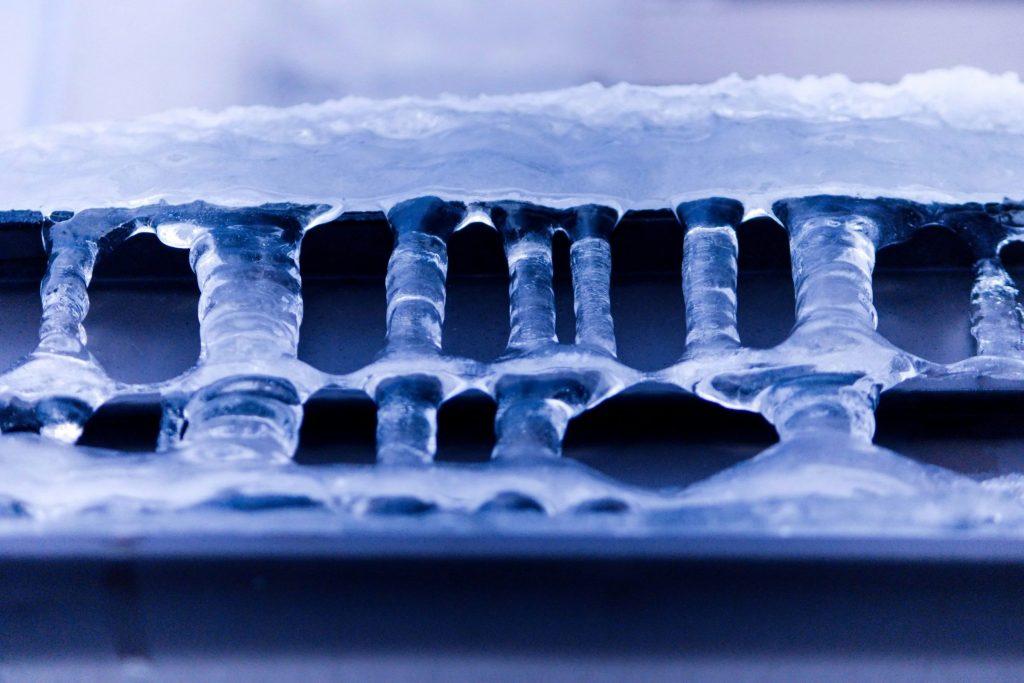
Frost and Ice Building Up in a Sub-Zero: What It Is Telling You
Ice is the most readable symptom this equipment produces. Where it forms tells you which part has stopped doing its job — and a unit that needs defrosting by hand is not asking for housekeeping, it is reporting a problem.
Read more
Tell us the model number and what it is doing.
This article is based on:
- Official manufacturer documentation
- Internal repair procedures
- Technician repair history
- Company quality standards