
Maintenance & Prevention
Sub-Zero Water and Air Filters: When to Change Them and How to Clear the Reminder
A Sub-Zero water filter is due about every 6 months, and the air purification cartridge about every 12. Both indicators run on a timer rather than on anything measured, so a filter can be finished before the light appears — and the light will keep showing until it is reset by hand, even on a brand-new filter.
The full guide
Two filters that have nothing to do with each other
Almost every confused search on this subject comes from the same place: people assume there is one filter, and there are two. They sit in different places, do different jobs, run on different schedules, and are reset differently.
The water filter treats the water going to the dispenser and the ice maker. It is a physical cartridge that water passes through, and it is the one that affects how your ice and water taste.
The air purification cartridge sits inside the refrigerator compartment and treats the air. It reduces odors and deals with ethylene gas — the gas fruit gives off as it ripens, which makes everything else near it ripen faster.
Neither one affects the other.
Changing the water filter does not clear the air cartridge reminder, and a new air cartridge does not improve the water. Half the "I changed the filter and the light is still on" calls are somebody having changed the other one.
When each is actually due
| Filter | Interval | What tells you |
|---|---|---|
| Water filter | About every 6 months | Indicator, or reduced flow, or taste |
| Air purification cartridge | About every 12 months | Indicator, or odors that will not go |
The indicator is a timer. This is the single most useful thing to understand about both of them. It counts elapsed time from the last reset. It does not measure water volume, it does not test the filter, and it has no idea whether you fitted a new one.
Two consequences. A filter on a household that gets through a lot of water can be finished well before the light appears. And a light that keeps showing after a change is not a defect — it is a timer nobody reset.
Changing the water filter
Where it is depends on the model. On many built-ins it is inside the refrigerator compartment, usually toward the top; on others it is behind the grille above the doors. The manual for your model says which, and once you have found it the first time you will not lose it again.
- Have the new filter open and ready. There will be some water.
- Have a towel underneath. A cupful is normal.
- Remove the old cartridge. Most turn a quarter turn and pull out; some release with a push. Never force it — if it is not moving the way you expect, check the direction rather than applying more effort.
- Fit the new one the same way, until it seats and locks.
- Flush it. Run about two to three gallons through the dispenser, or discard the first two or three batches of ice. New carbon filters shed harmless fines and trapped air, which is why the first water is often cloudy or tastes of nothing much. This step is skipped constantly and it is the reason people conclude a new filter has made things worse.
- Reset the indicator from the control panel.
If the water supply valve is old and you have to close it, do not force it. Saddle valves and shut-offs that have sat untouched for fifteen years in a humid climate seize, and a valve snapped under a sink is a plumber and a wet floor, not an appliance job. If it does not turn easily, leave it and get somebody in.
Changing the air purification cartridge
Simpler, and mostly a matter of remembering it exists.
- Find it inside the refrigerator compartment — the manual for your model gives the position.
- Release the cover, take out the old cartridge, fit the new one.
- Reset the indicator from the control panel.
Once a year, and it is worth doing even when nothing smells: by the time an air cartridge announces itself, it has been doing nothing for a while.
Resetting the indicator
Both reminders are cleared from the control panel, and the key sequence differs by series.
We are not going to print a universal one here. A confidently wrong button combination in a guide is worse than no guide, and these units differ enough between generations that any single answer would be wrong for somebody. The sequence is in the use and care manual for your model, in the section on the display or on service reminders.
If you do not have the manual: tell us the model number and we will tell you the sequence for it. That is a phone call, not a visit, and we would rather answer it than have somebody hold buttons at random on a control panel.
What South Florida does to the water side
Municipal water across Miami-Dade, Broward and Palm Beach is hard, and hardness is about minerals rather than safety. It matters here in two practical ways.
Scale. Mineral deposits build up in the water line, the fill valve and the ice maker's mold over years. A water filter does not stop scale — that is not what it is for — so a household with hard water and a working filter can still end up with an ice maker producing small, cloudy or slow cubes.
Taste changes with the season. Utilities in South Florida periodically switch disinfection methods, and it changes how the water tastes. If your water suddenly tastes different and the filter is not old, it may not be the filter at all — check whether your neighbors have noticed the same thing before buying a cartridge.
Neither is a reason to change filters more often. Every 6 months is right here too. It is a reason to look past the filter when the ice is wrong: see ice or water tastes off.
When the light comes back too soon
A reminder that reappears weeks after a change means one of four things, in order of likelihood:
- It was never reset, and it is simply continuing an old count.
- The wrong reminder was reset — the air cartridge cleared instead of the water filter, or the other way round.
- The reset did not take. Some sequences need the button held for longer than feels natural.
- There is a genuine problem with the control, which is rare and diagnosable.
Work down that list in order. Three of the four cost nothing.
When it is not the filter
The filter gets blamed for a lot of things it did not do. Worth ruling out before spending money:
- No water at the dispenser at all. More often a frozen supply line or a fill valve than a filter — a clogged filter reduces flow, it rarely stops it dead.
- Ice tastes of the freezer. That is odor absorption in the compartment, which is the air cartridge's job, or food stored uncovered. See ice or water tastes off.
- Cloudy ice. Usually dissolved air and minerals in the supply, not the filter.
- Very slow ice production. Water pressure, a partially frozen line, or the ice maker itself rather than the filter. See ice maker not making ice.
If you have changed the filter, flushed it properly, reset the indicator and the problem is still there, it was not the filter. Tell us the model number and what the water or ice is actually doing, and we will tell you what it usually turns out to be before anybody is dispatched.
If it turns out to be a repair
What this leads to, and what it costs
Every job on this site is priced the same way: an on-site diagnostic first, the figure agreed in writing before anybody starts.
-
Priced after diagnosis Maintenance visit
In this climate condenser cleaning is seasonal rather than annual. A maintenance visit is the cheapest hour you will spend on a built-in unit, and it is how most sealed system failures get avoided.
- Condenser cleaned and airflow checked
- Door seals and drainage inspected
- Stored codes read and cleared
-

Filter, line or drain Ice or water tastes off
Ice that smells of the freezer, water that tastes flat or metallic, or both arriving together after a filter change.
- Started after a filter change
- Ice smells of whatever is in the freezer
- Water tastes flat rather than wrong
-
from $95 Diagnostic visit
We read the active and stored codes on site, then test the sealed system and the airflow before saying anything about the repair. The fee is credited toward the work when you go ahead.
- Active and stored codes read on site
- Sealed system and airflow tested
- Credited toward the repair
Questions people ask about this
Why is my filter light still on after I changed the filter?
Because the indicator is a timer that has to be reset by hand. It does not detect the new filter and it will not clear itself. Reset it from the control panel and the count starts again — that is also why an unreset indicator makes the next reminder meaningless.
Do I have to use a genuine Sub-Zero filter?
You do not have to, and there are decent third-party filters. What is worth checking is independent certification for the contaminants you care about, because the claims on the box are not all equal. A poor filter is not usually a safety problem — it is a filter that restricts flow and does not do much.
What is the air purification cartridge for?
It reduces odors, and it helps slow the ripening of produce by dealing with ethylene gas, which fruit gives off and which makes everything near it ripen faster. It is not a filter you can see working, which is exactly why it is the one people forget.
Can I run the refrigerator without a water filter fitted?
Some models accept a bypass plug so the water line still works with no filter in place. Others do not, and running them with the housing empty is not a good idea. Check your manual for whether a bypass exists for your model rather than assuming.
Maintenance & Prevention
More guides like this one
-
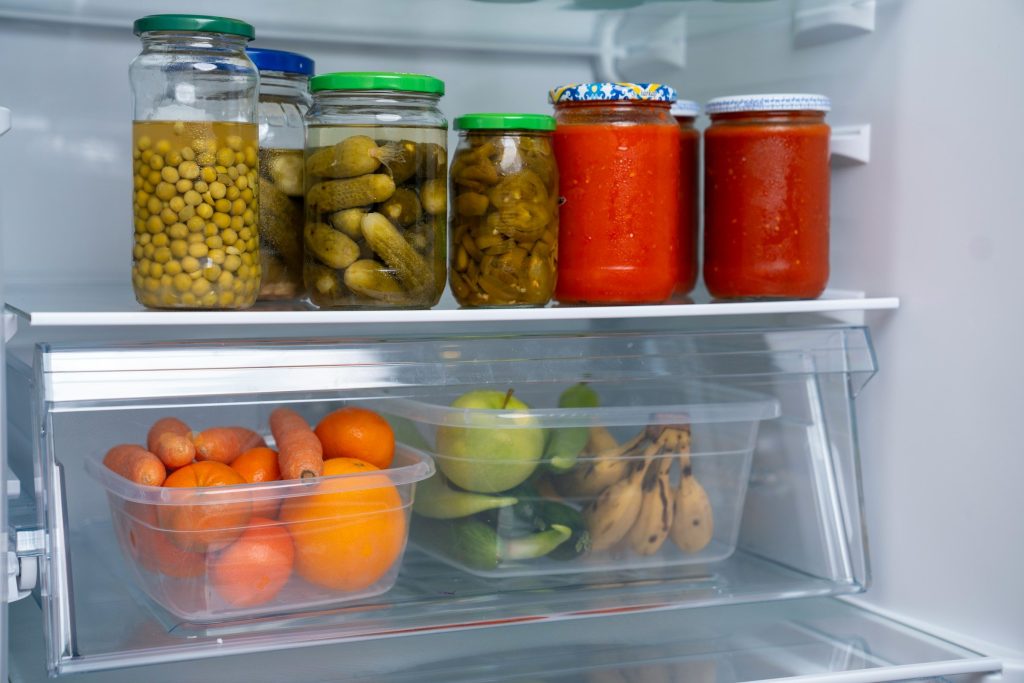
What to Set a Sub-Zero To, and Why Your Food Keeps Freezing
Two numbers everybody should know and almost nobody is told. Plus the reason lettuce freezes in a refrigerator that is set correctly — which is a placement problem, not a temperature one, and costs nothing to fix.
Read more -

Sub-Zero Door Gaskets: How to Clean Them, Test Them and Know When They Are Done
The gasket is the cheapest part on the machine and the one whose failure costs the most, because everything downstream of a poor seal is a bigger repair. Here is how to keep one alive, and how to tell when keeping it alive is no longer the answer.
Read more -
How to Clean a Sub-Zero Condenser, and How Often to Do It in South Florida
Twenty minutes, twice a year, no tools you do not already own. The one piece of maintenance that prevents more expensive repairs than everything else combined — and why the interval in the manual is too long for this market.
Read more
Tell us the model number and what it is doing.
This article is based on:
- Official manufacturer documentation
- Internal repair procedures
- Technician repair history
- Company quality standards